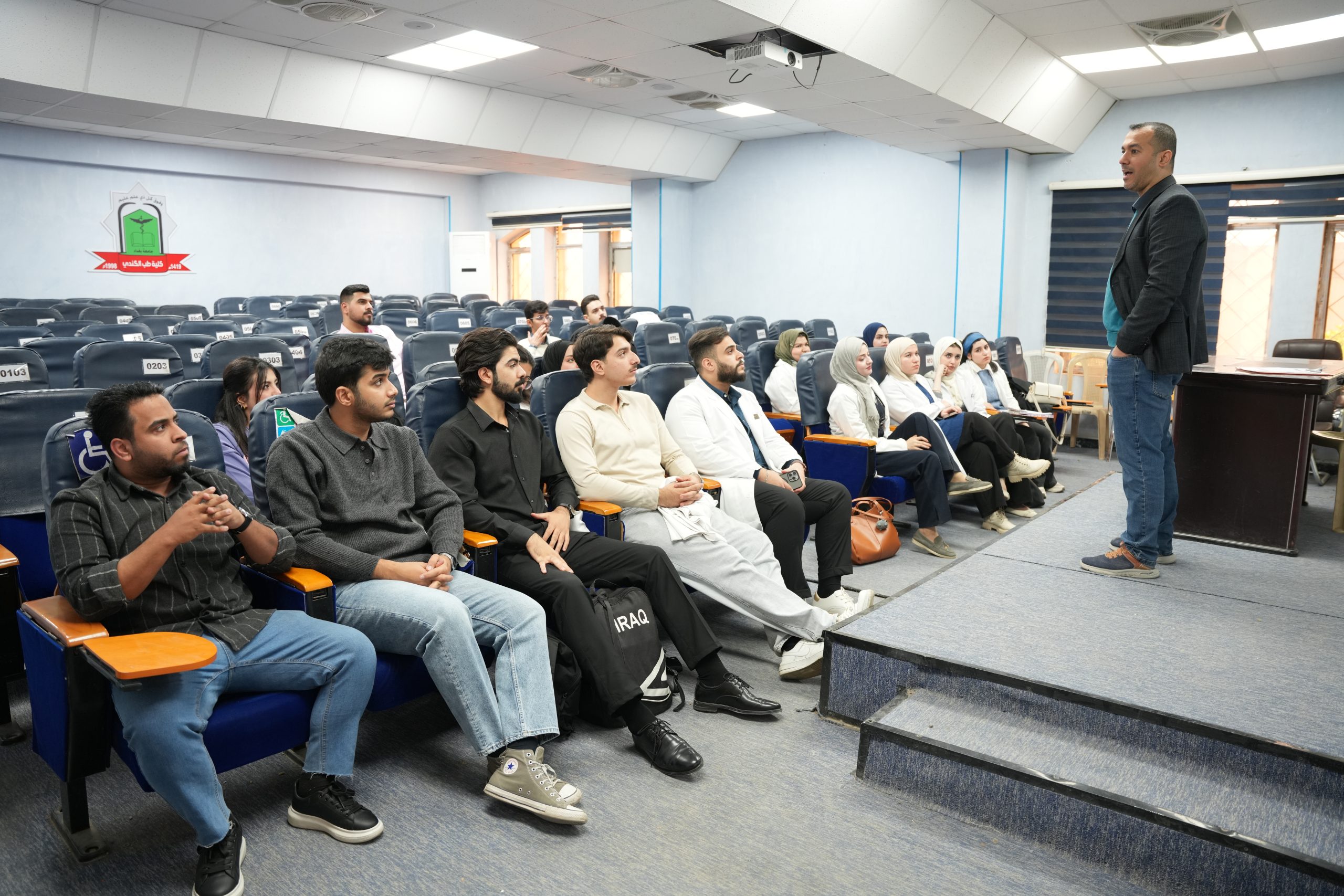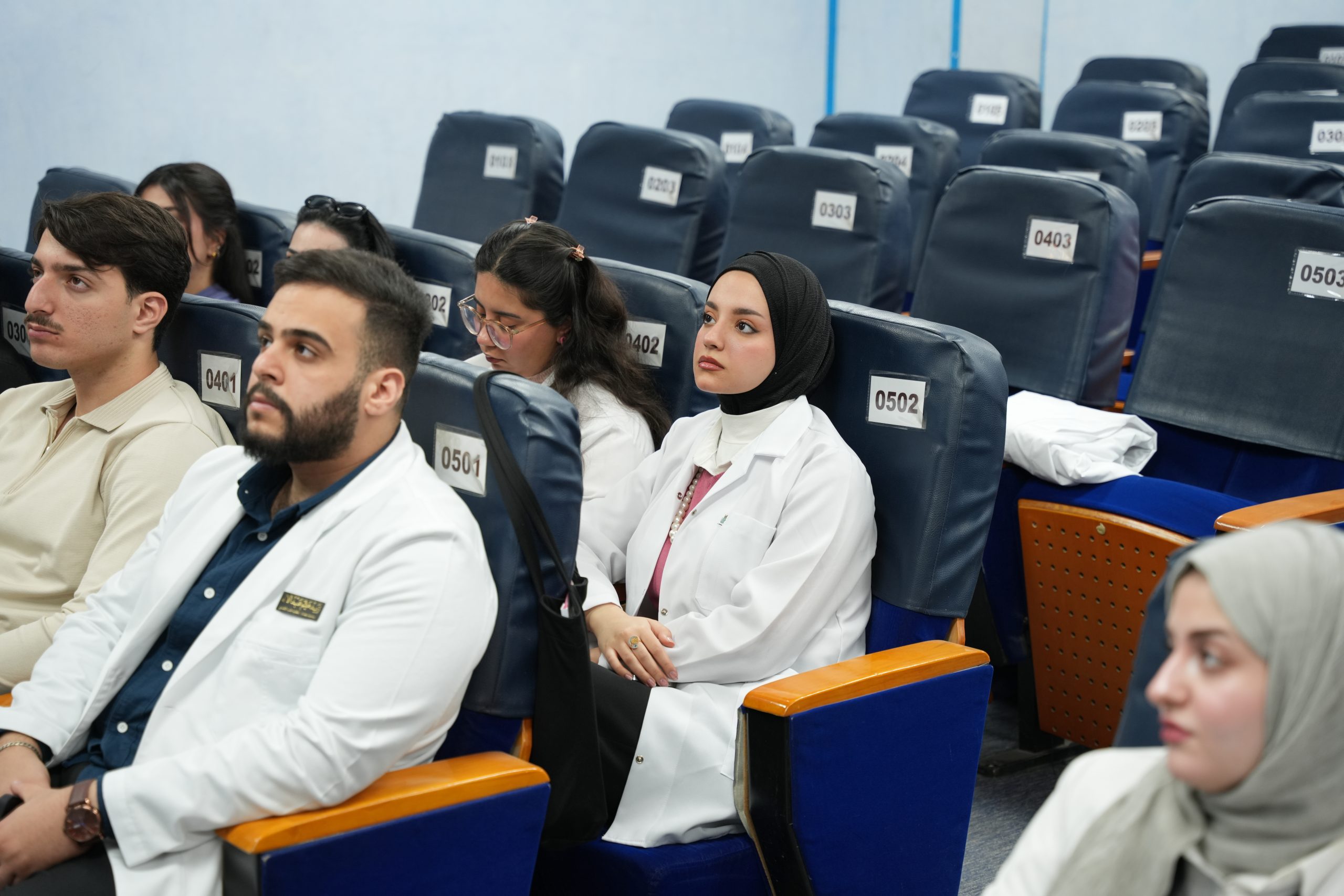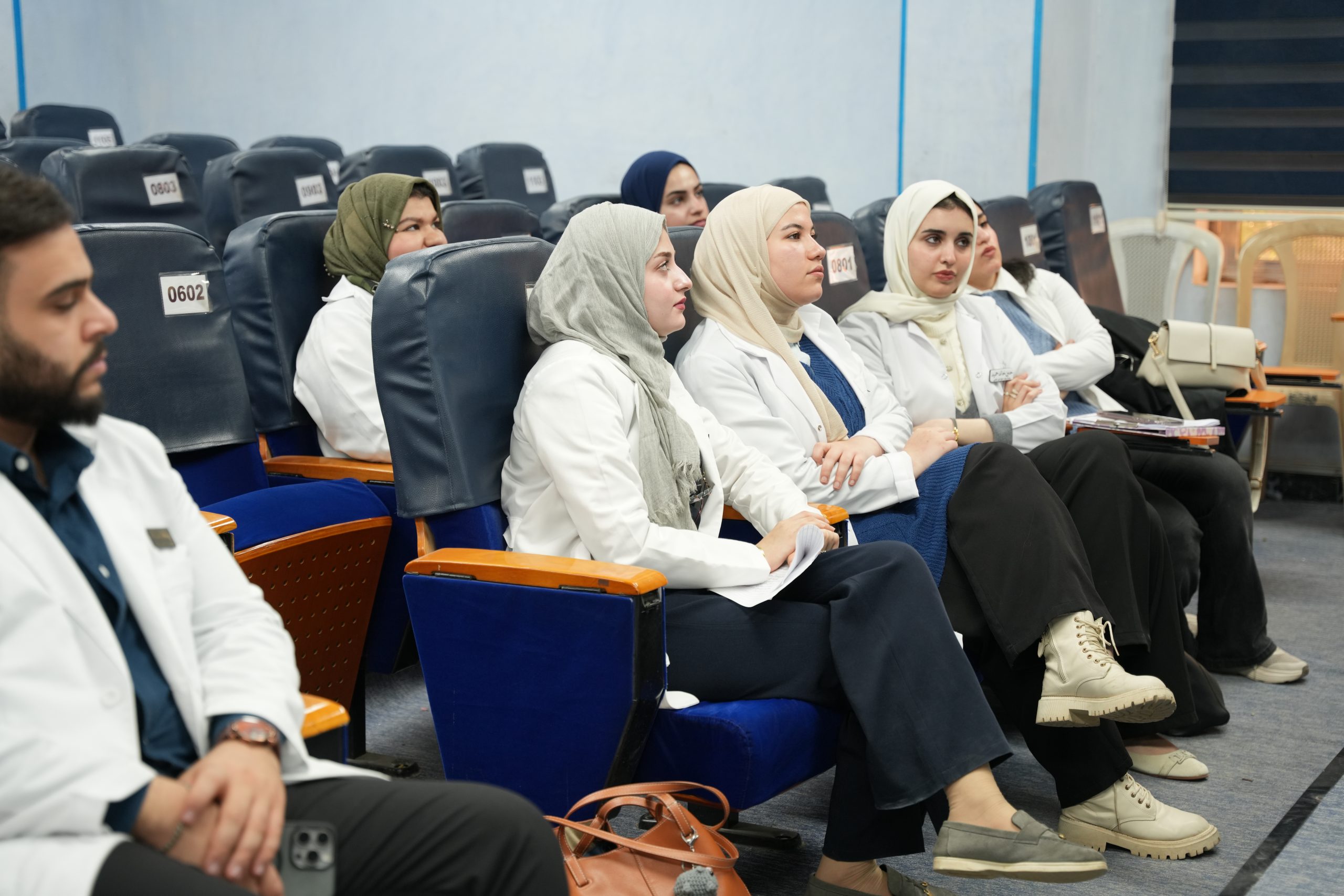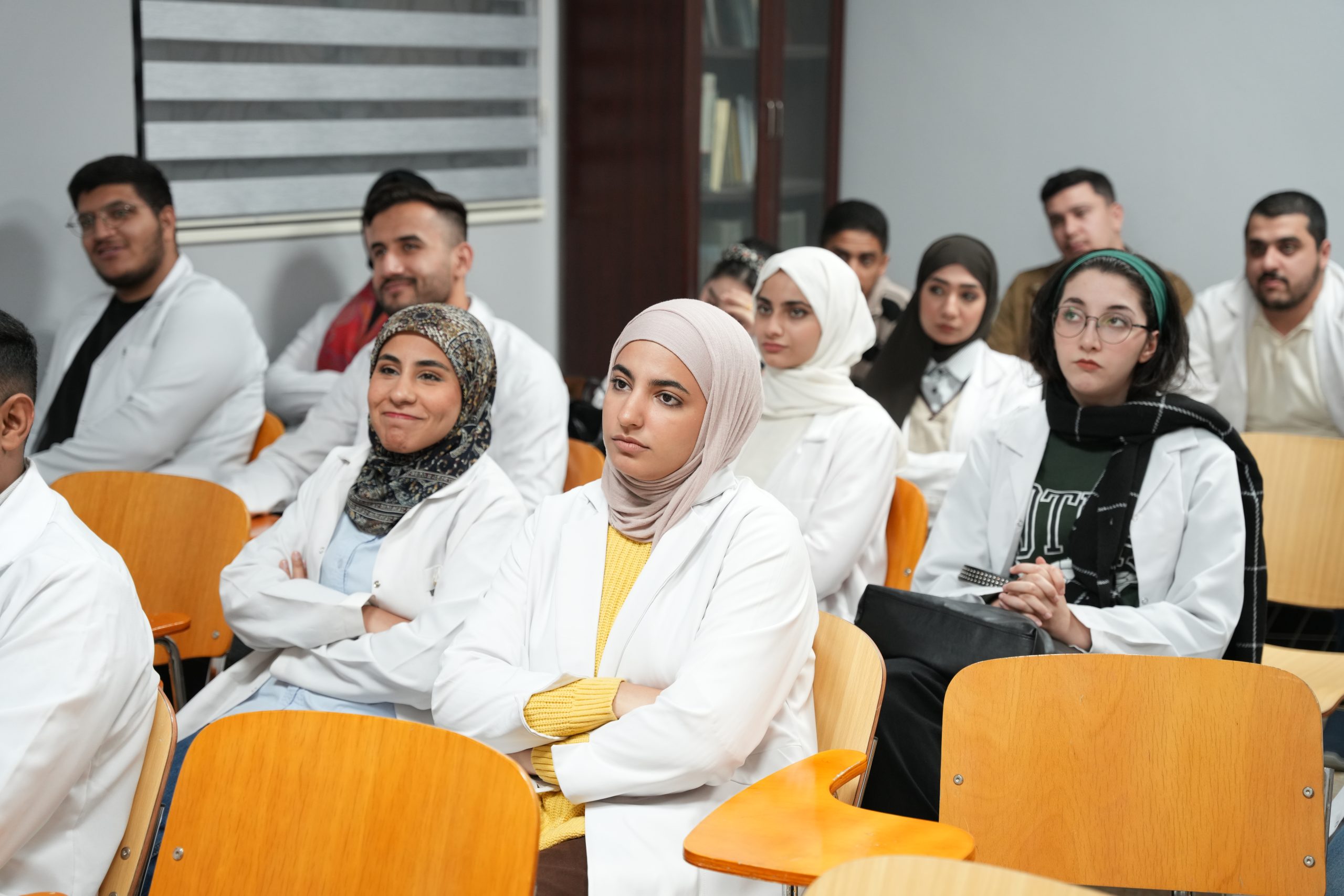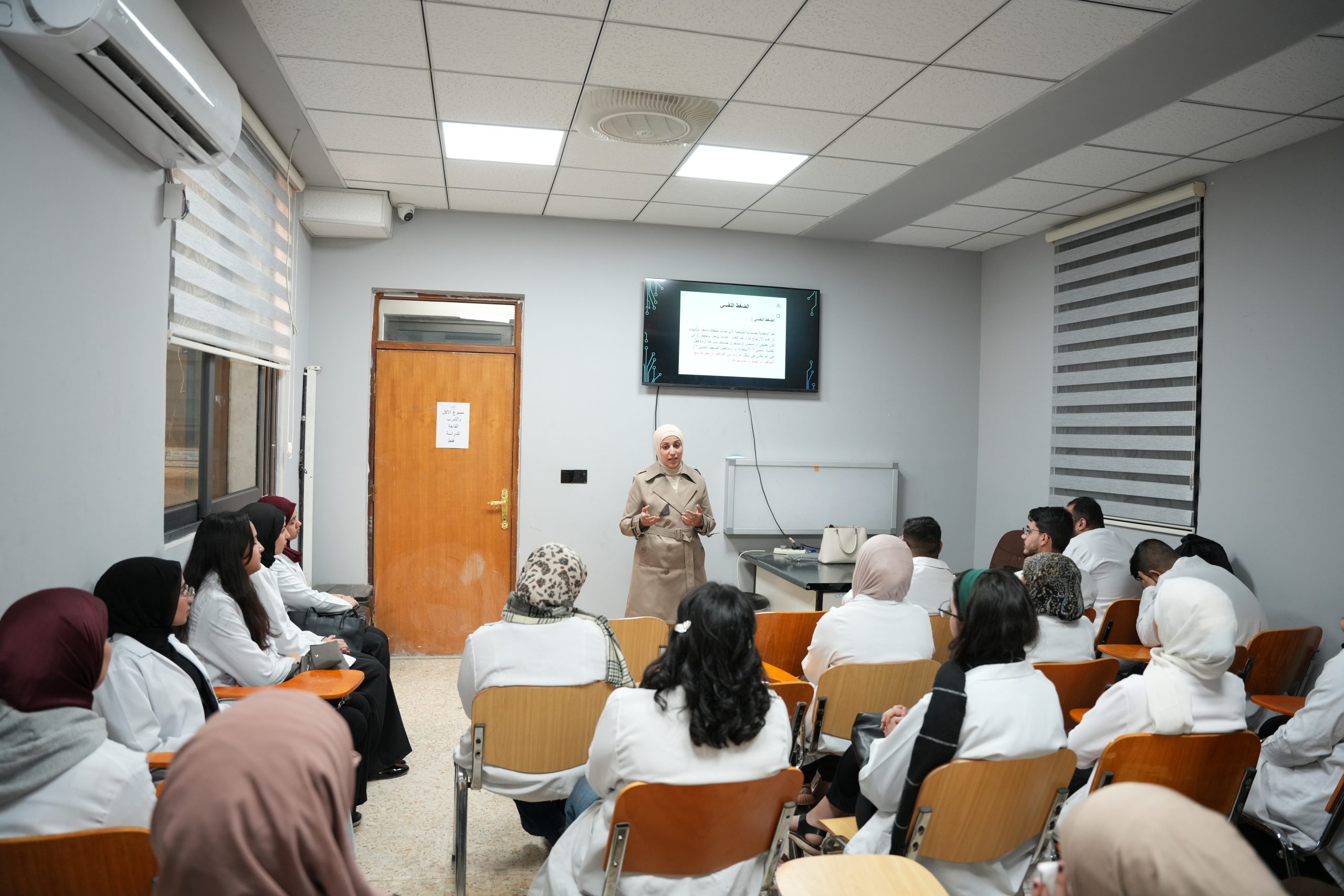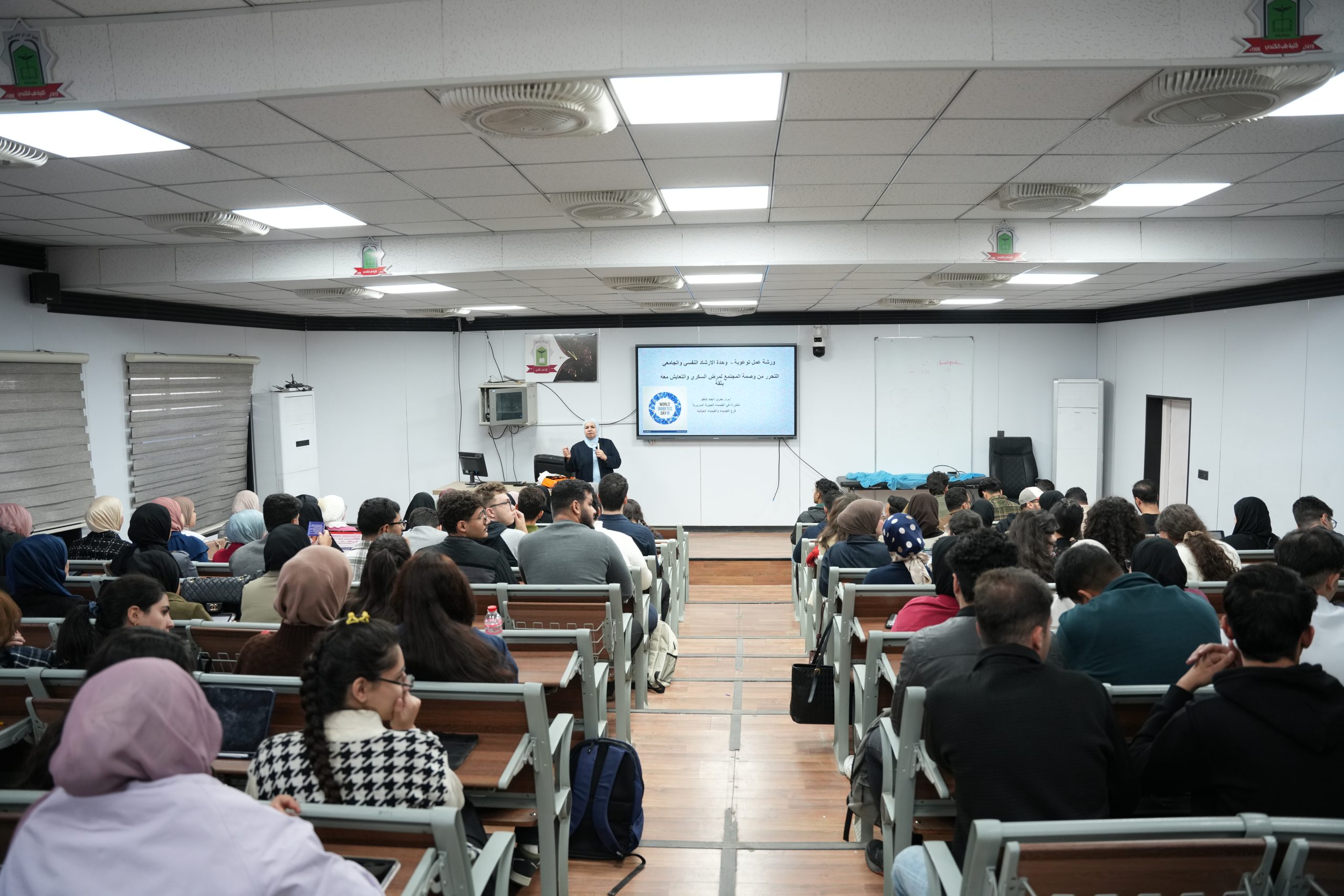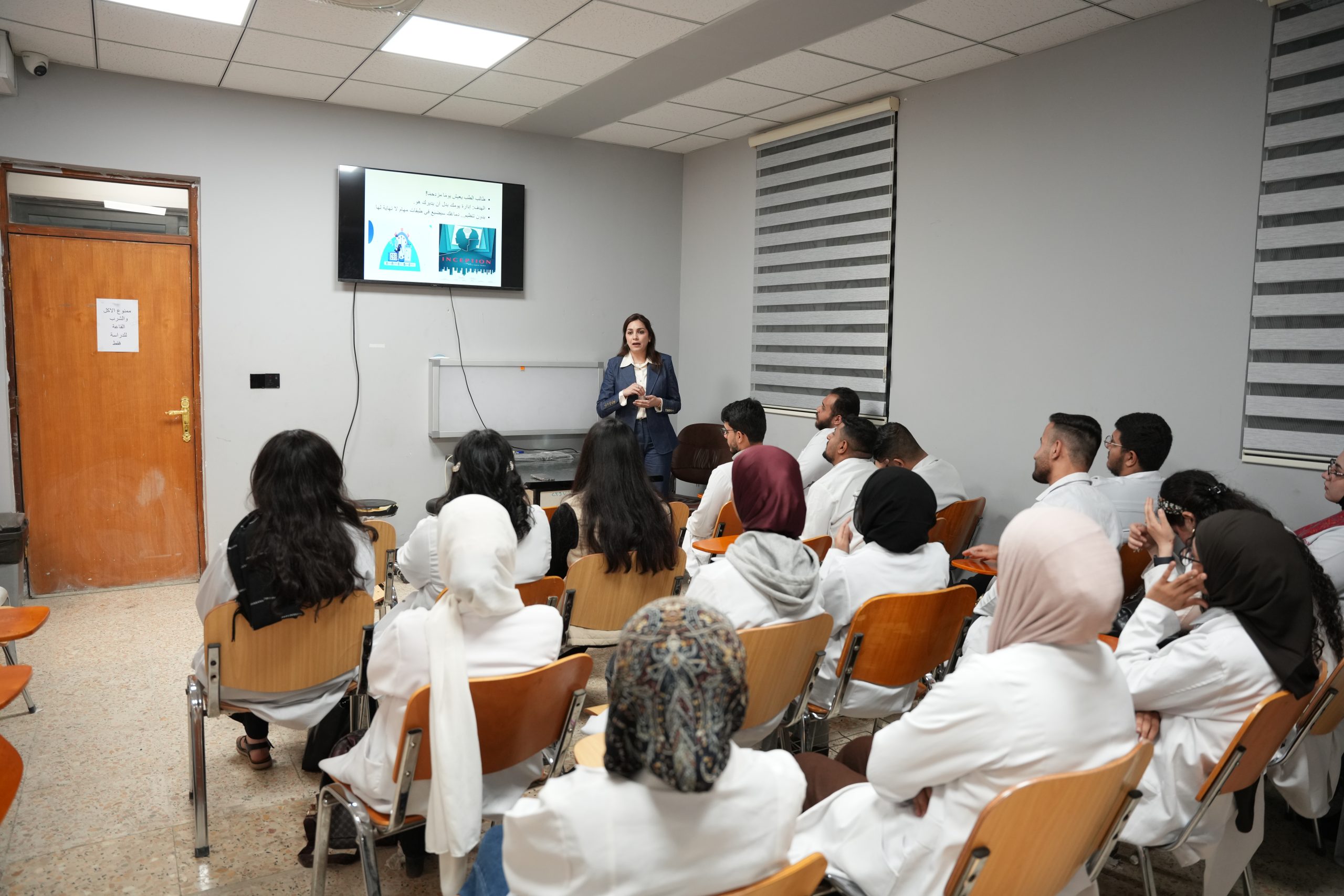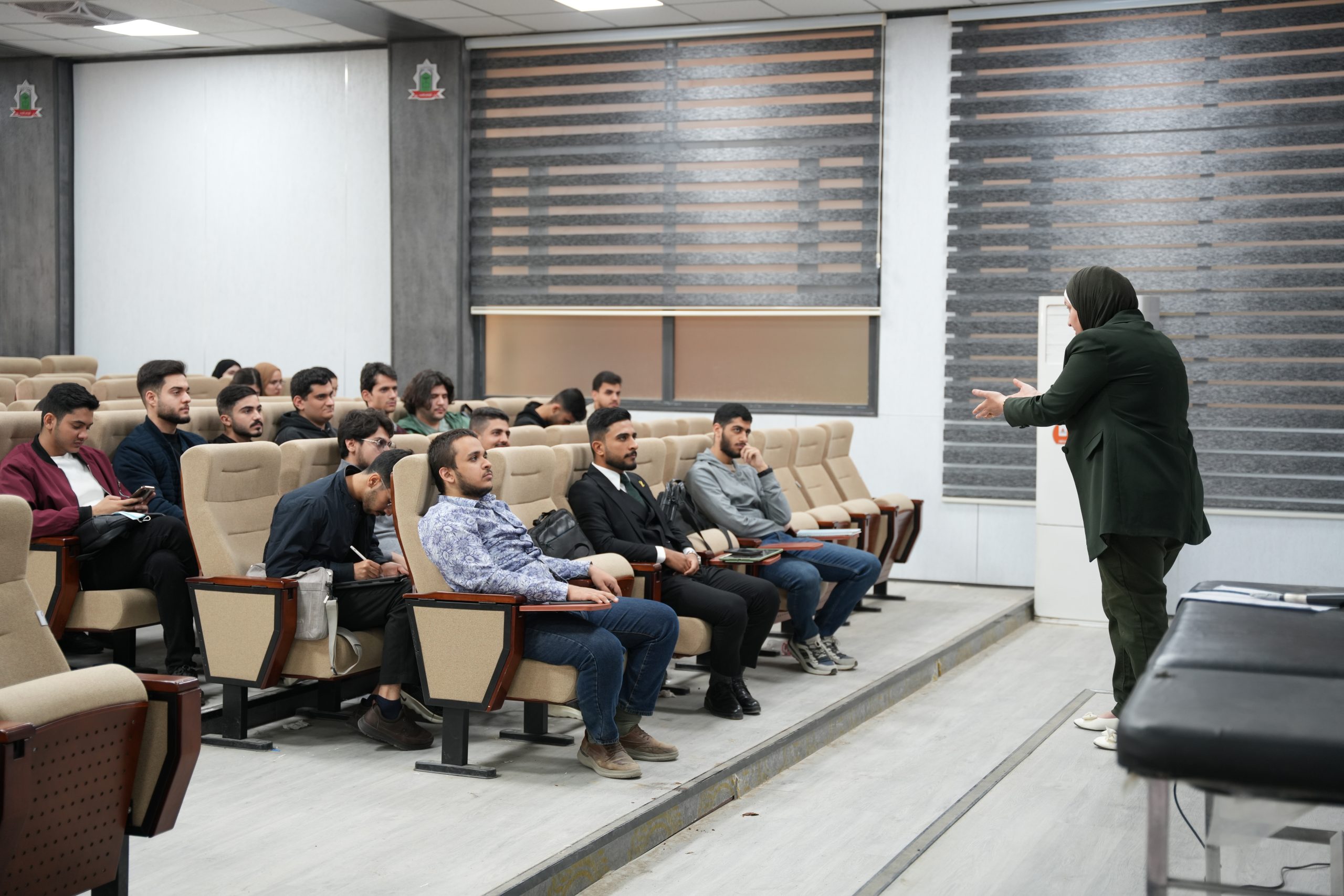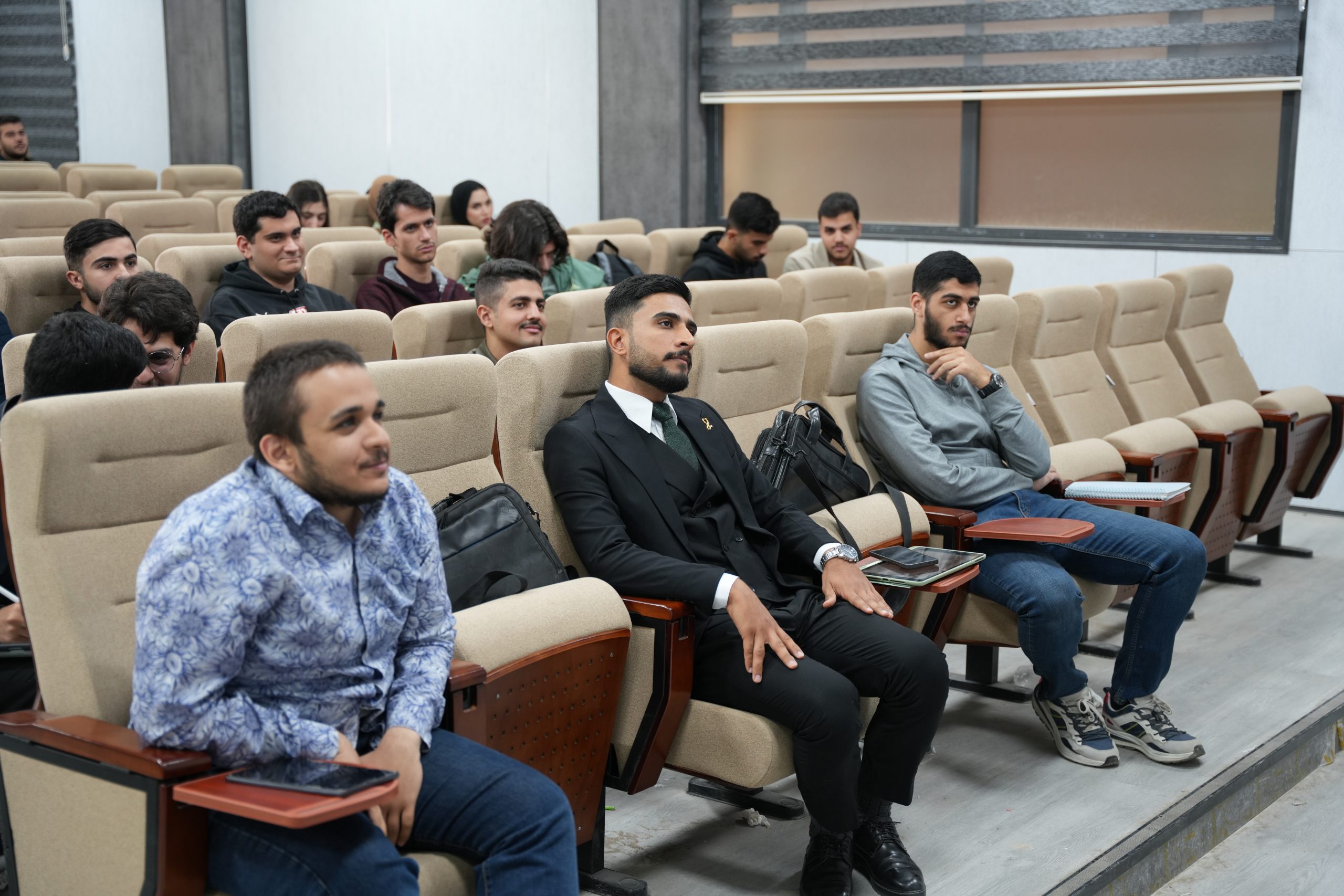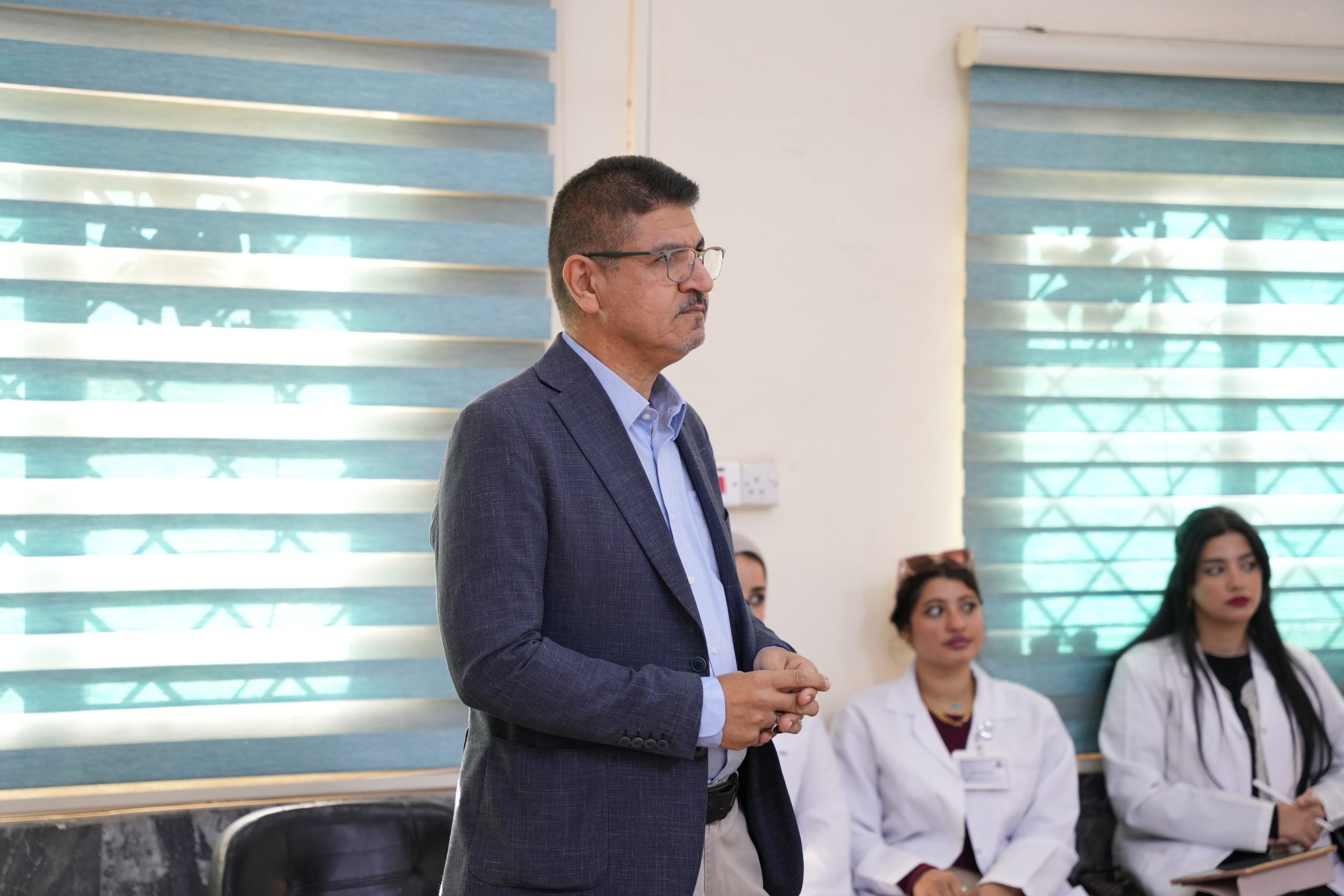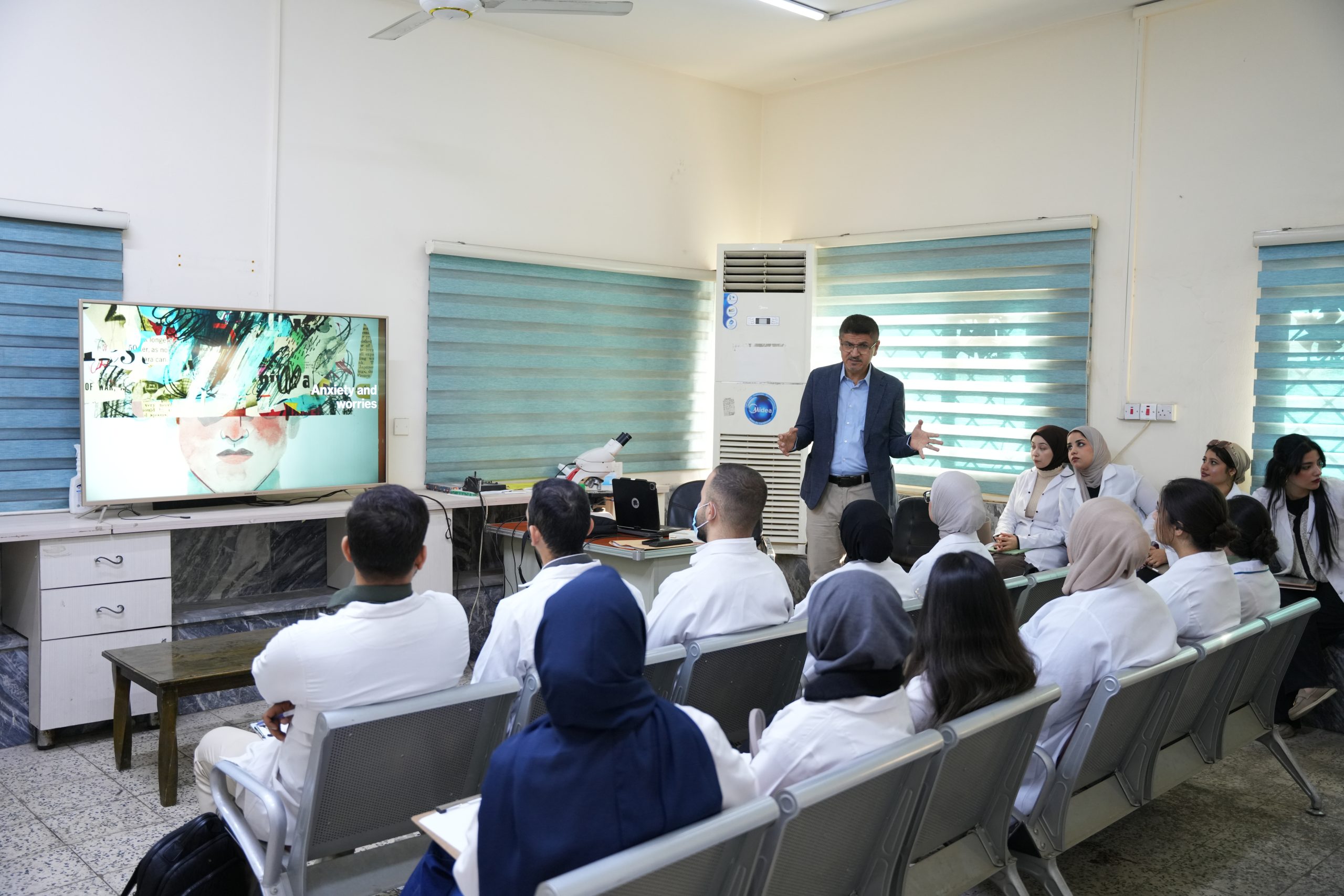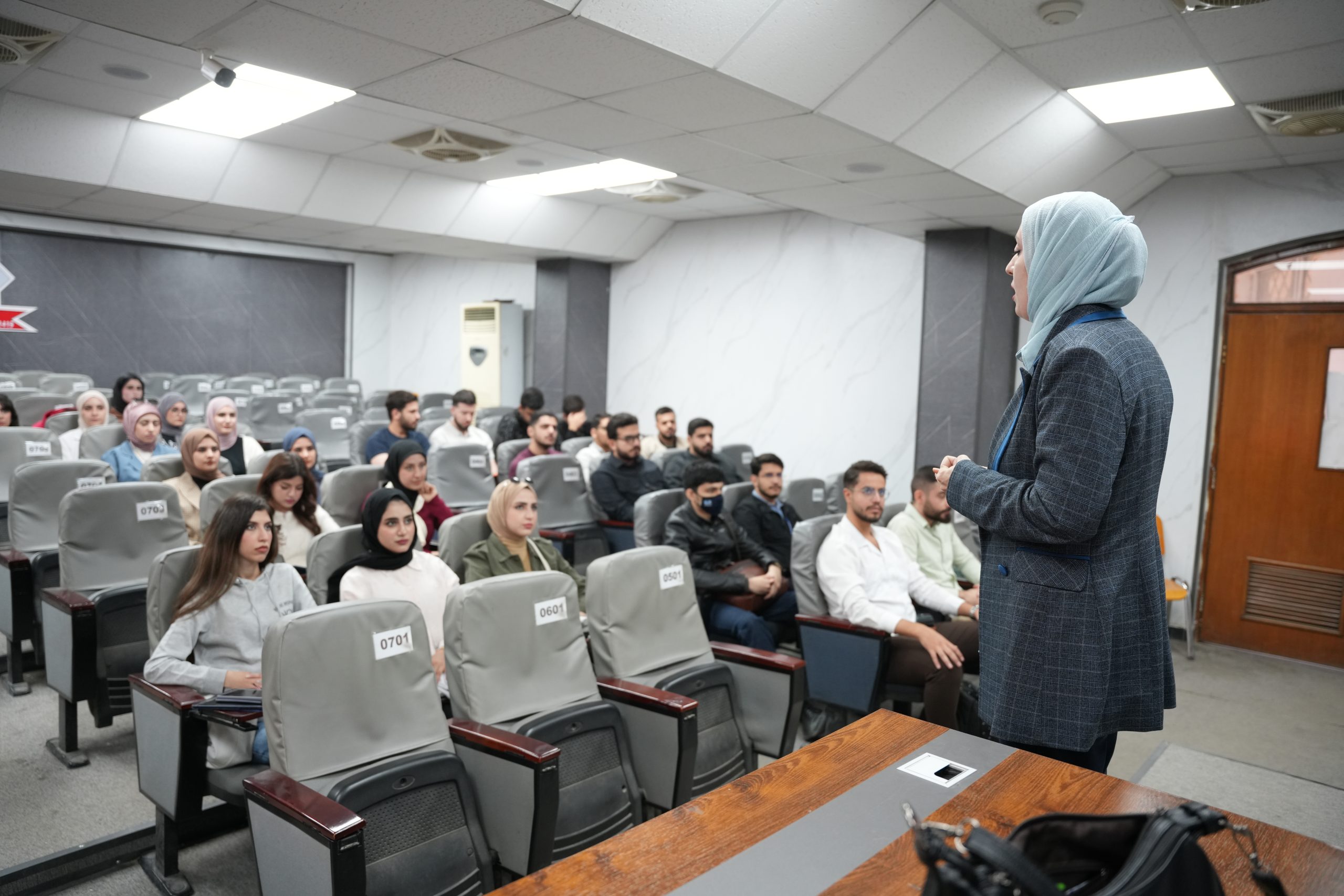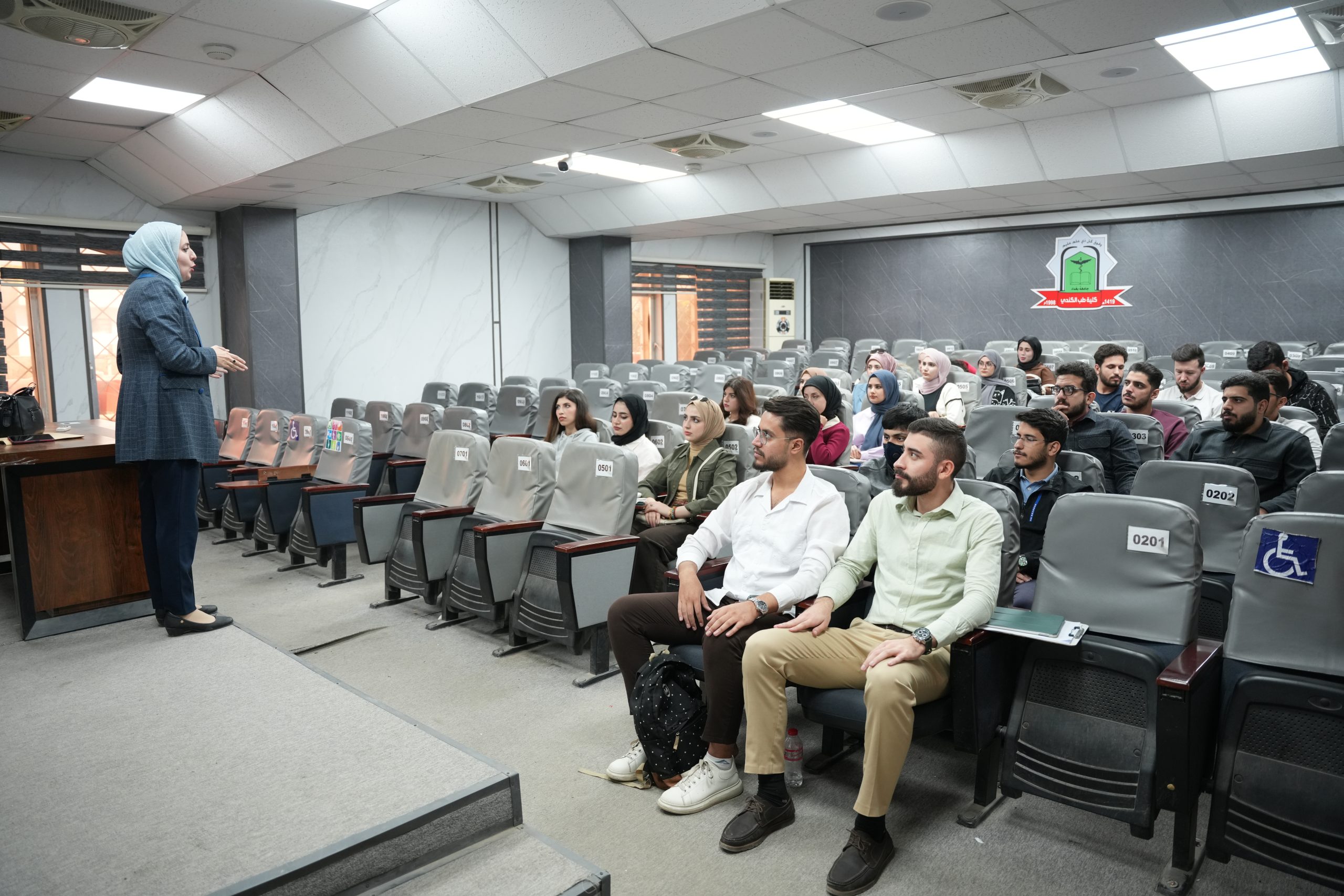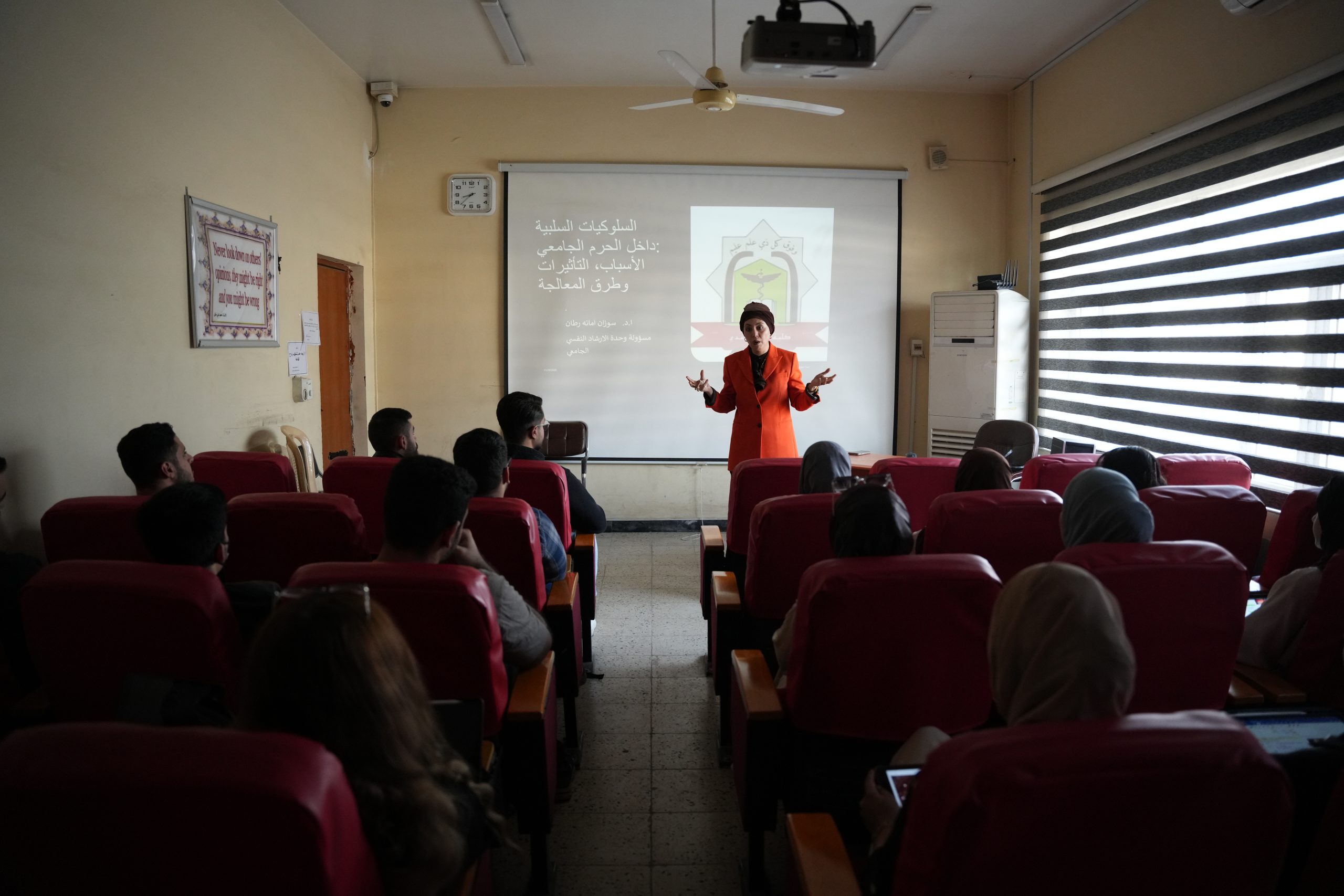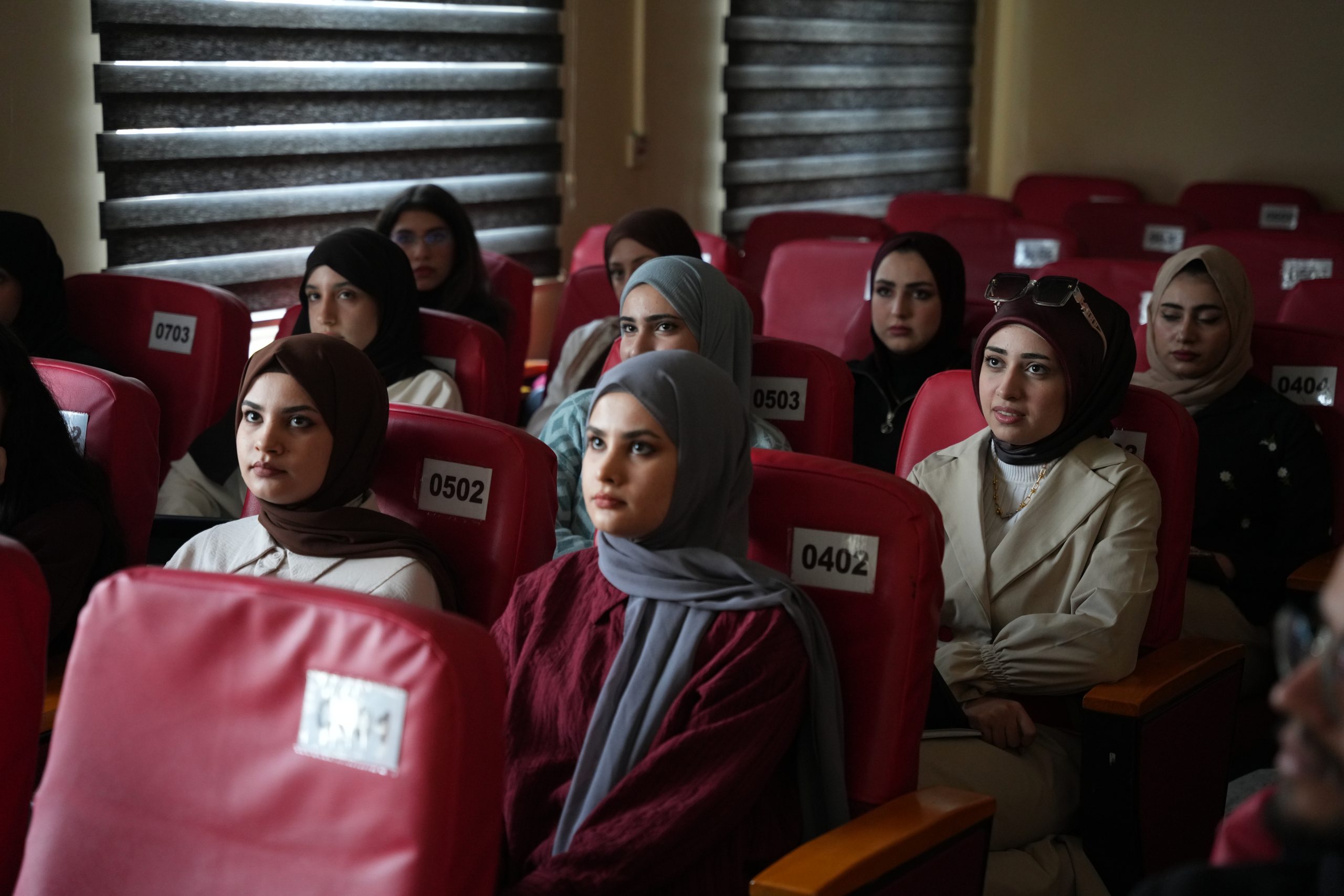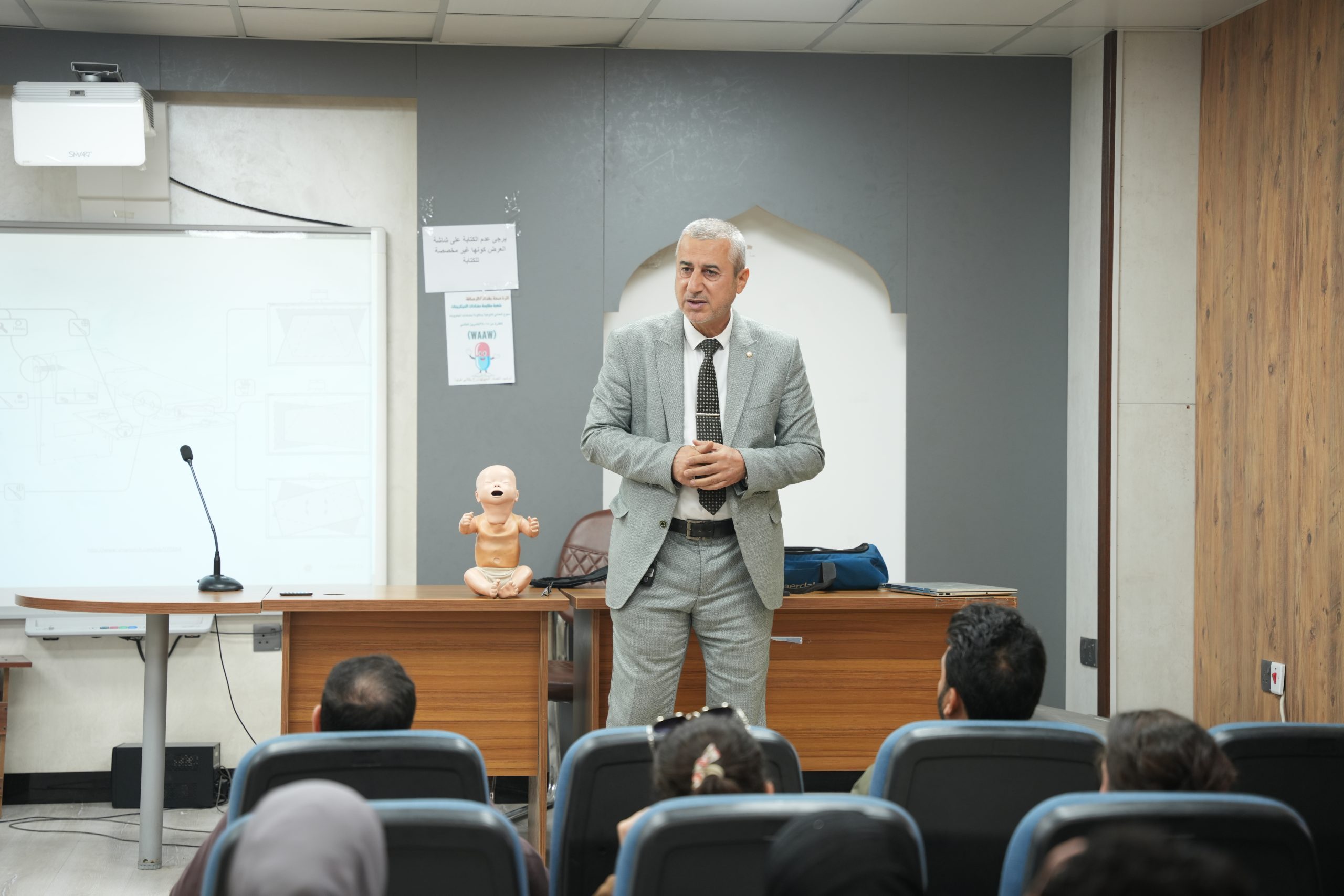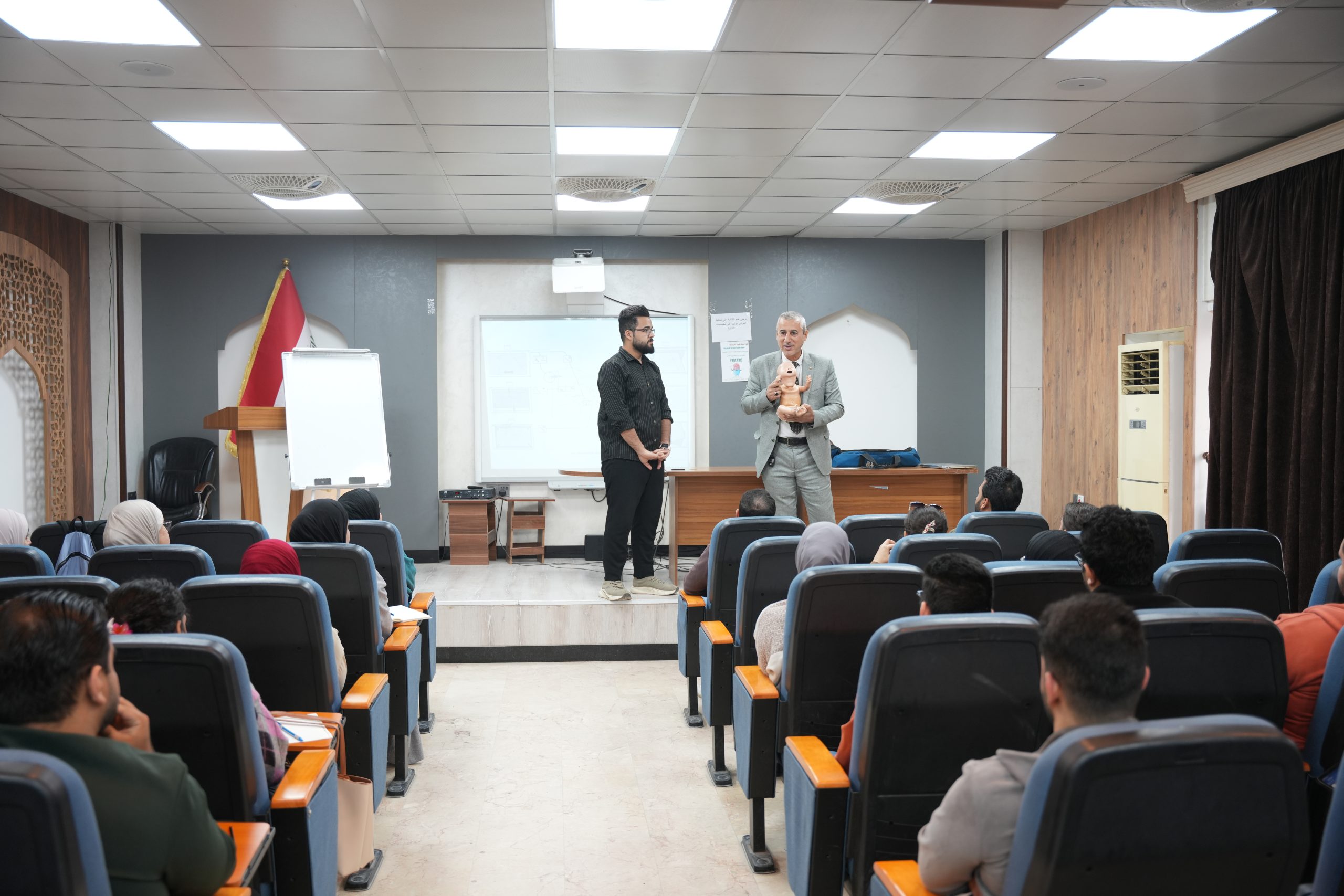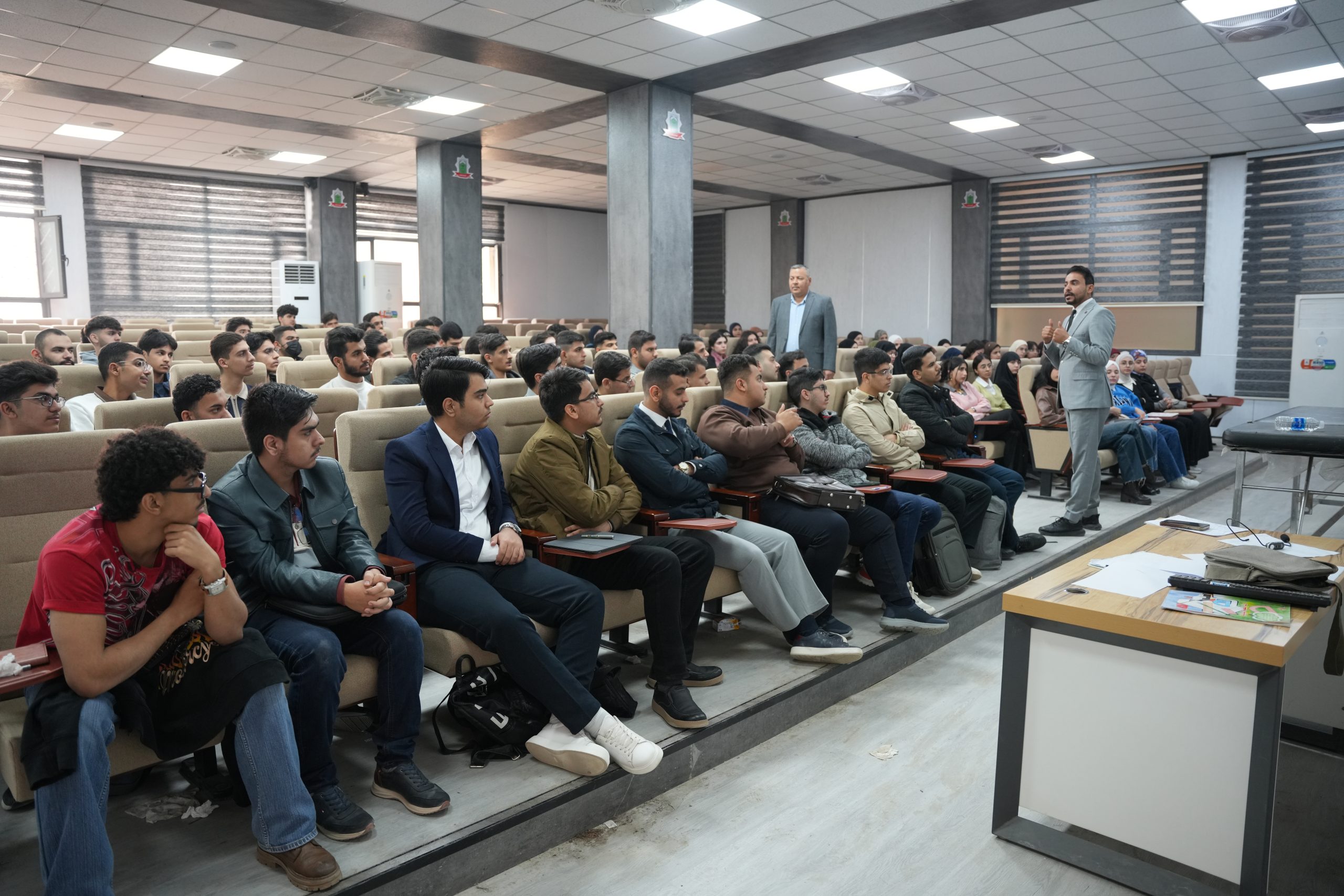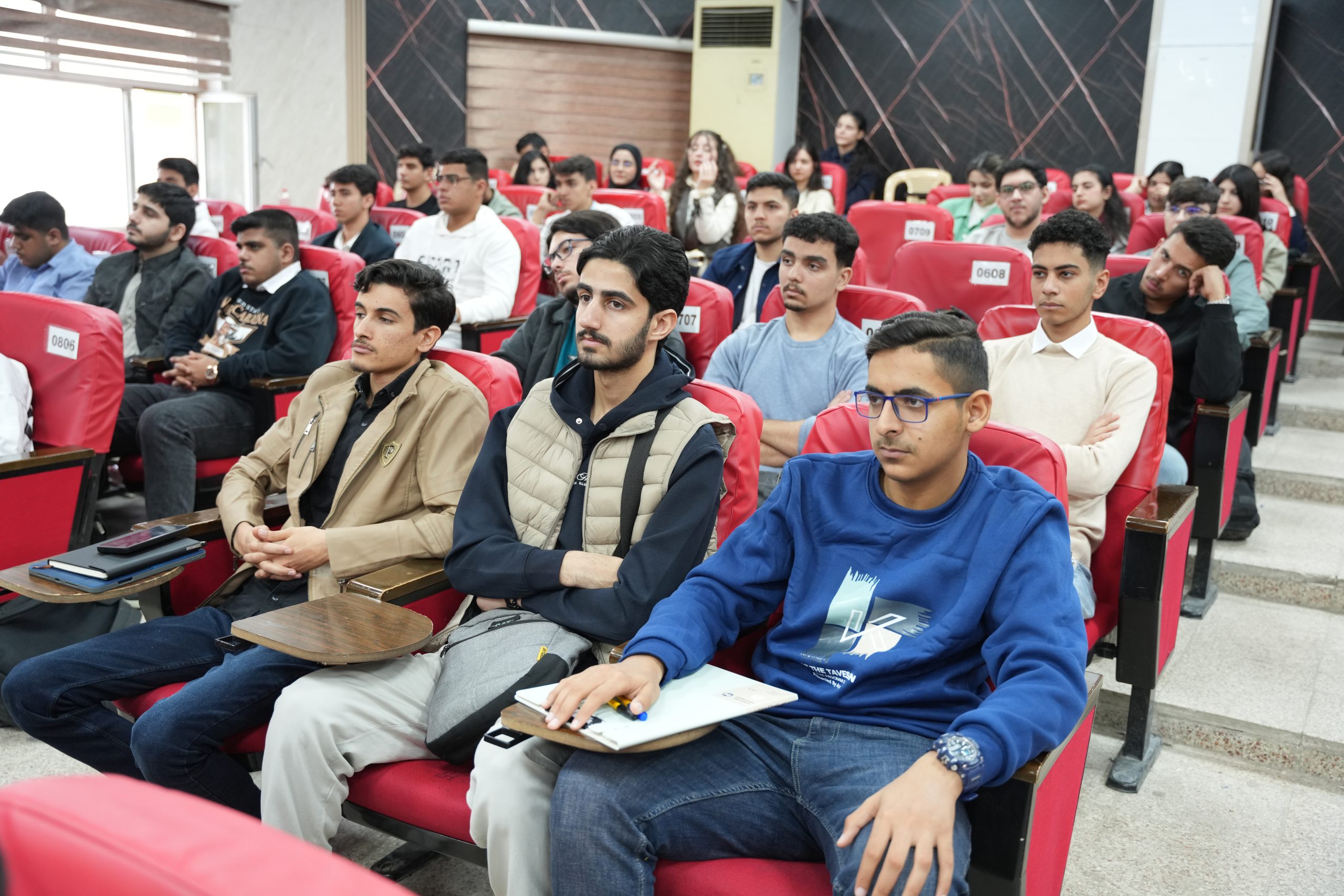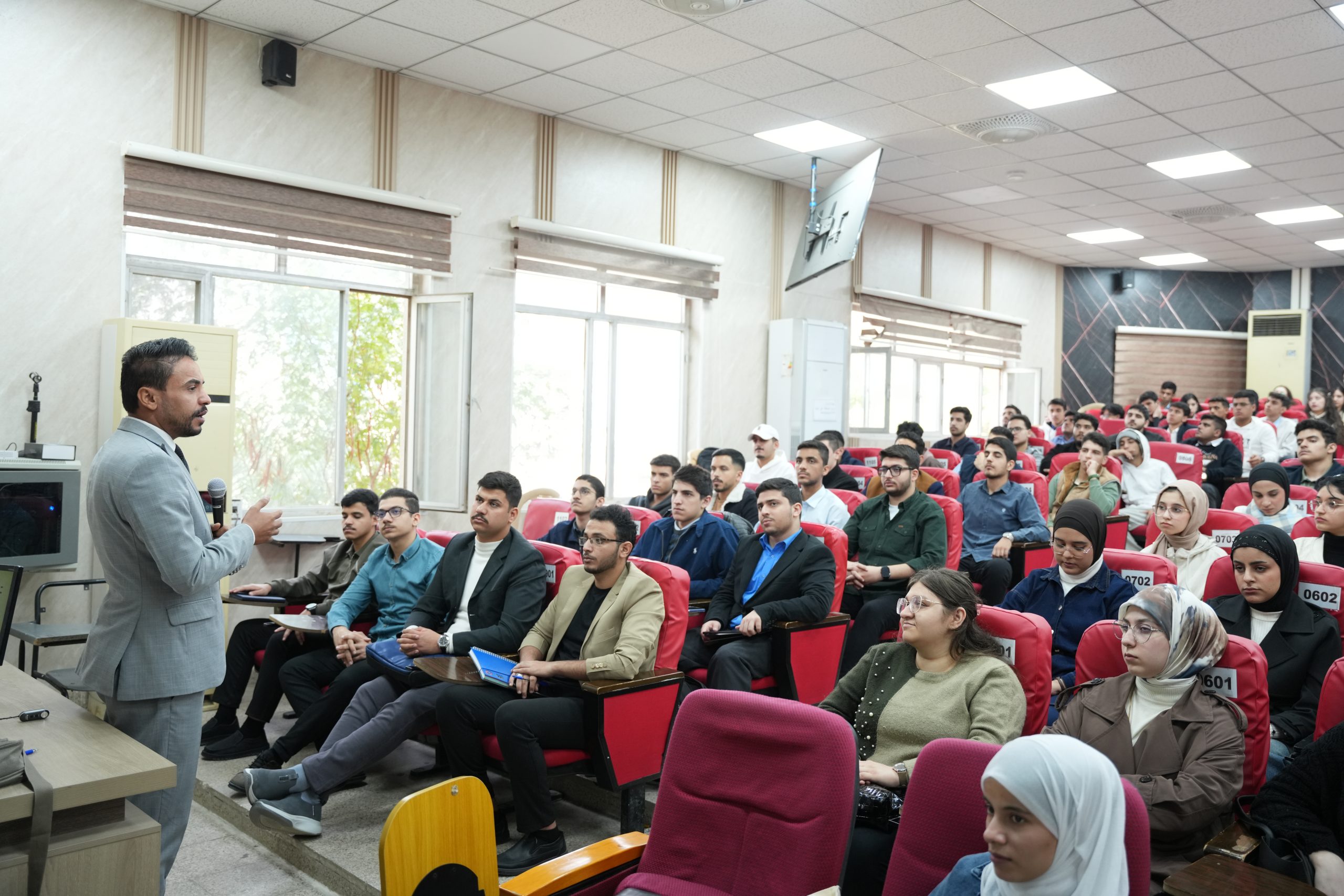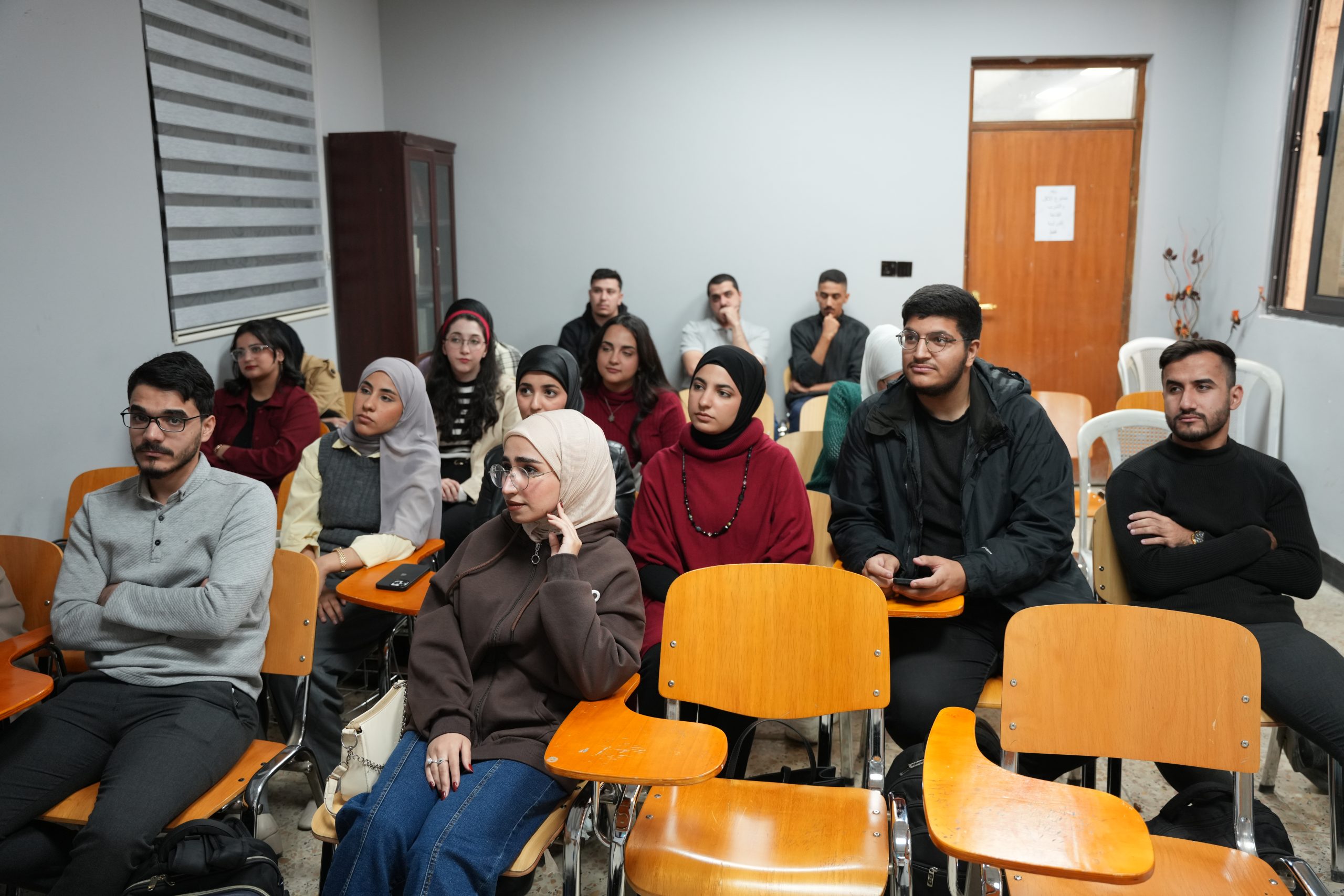

Al-Kindy College of Medicine, University of Baghdad, concluded Student Guidance Week with a rich program of seminars, lectures, and interactive workshops organized by the Psychological Counseling and Educational Guidance Unit, aimed at strengthening students’ psychological well-being, academic readiness, and life skills in a safe and supportive campus environment.
Key sessions and what students gained
1) Difficult experiences and painful memories: protecting mental well-being
Asst. Prof. Saba Jasim discussed how stressful experiences can shape emotions, concentration, and daily functioning. Students explored healthy coping strategies, recognizing triggers, and practical steps to seek support early to prevent long-term impact.
2) Irregular (illegal) migration and its risks (First-year workshop)
Asst. Lecturer Hawraa Shafiq highlighted the legal, social, and health consequences of unsafe migration routes. The session focused on decision-making under pressure, protecting personal safety, and understanding the real-world risks linked to trafficking, exploitation, and psychological stress.
3) Exam anxiety (Third-year seminar)
Asst. Lecturer Sura Louay explained why anxiety increases during assessment periods and how it affects memory and performance. Students learned simple tools to manage stress, including planning techniques, confidence-building routines, and strategies for staying calm during exams.
4) Social and academic anxiety (Fifth-year seminar)
Lecturer Dr. Mohammed Yaseen Abbas addressed anxiety related to presentations, clinical discussions, teamwork, and academic expectations. The seminar emphasized communication skills, self-confidence, and gradual exposure techniques to reduce avoidance and improve participation.
5) Excessive curiosity and its psychological effects
Asst. Prof. Saba Jasim discussed how excessive curiosity—especially when linked to constant checking and overthinking—can increase stress and distract from priorities. Students reviewed ways to set boundaries, manage attention, and build healthier habits in daily life and online spaces.
6) Time management for medical students (Fifth-year lecture)
Asst. Lecturer Suja Ali Ahmed provided a practical approach to balancing lectures, clinical duties, study time, and rest. The session included prioritization methods, realistic scheduling, and techniques to reduce procrastination while maintaining well-being.
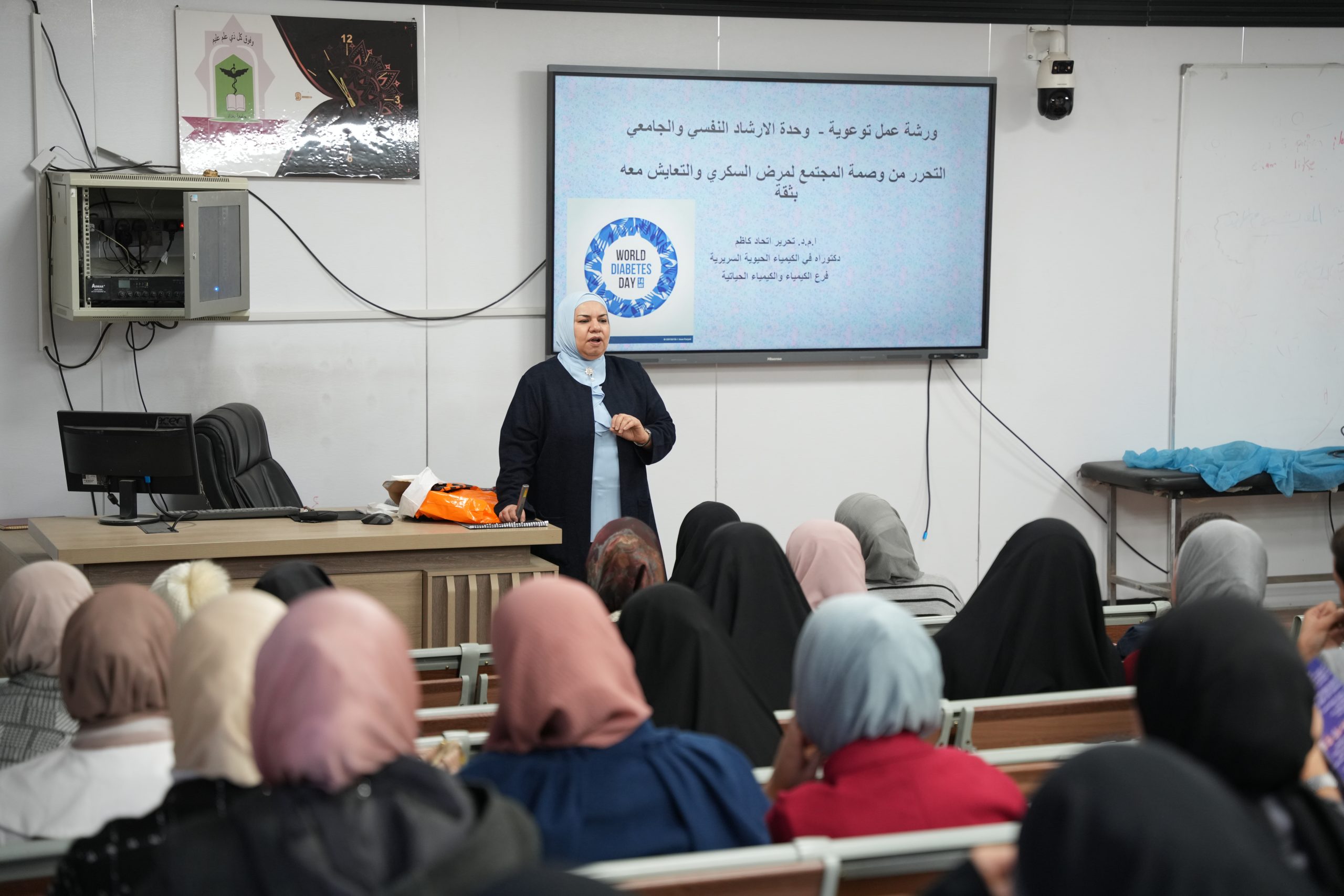
7) “Breaking the Stigma: Living Confidently with Diabetes” (World Diabetes Day)
Asst. Lecturer Tahrir Ittihad Kazem focused on stigma, misconceptions, and the emotional burden that can accompany diabetes. Students discussed supportive communication, respectful attitudes in healthcare settings, and empowering messages that help patients manage their condition with confidence.
8) Psychological stress and its impact on public health
Asst. Lecturer Naba Aswad connected stress to physical health outcomes and community well-being. The seminar highlighted how stress can influence immunity, sleep, and lifestyle behaviors, and why prevention, awareness, and early intervention matter in public health practice.
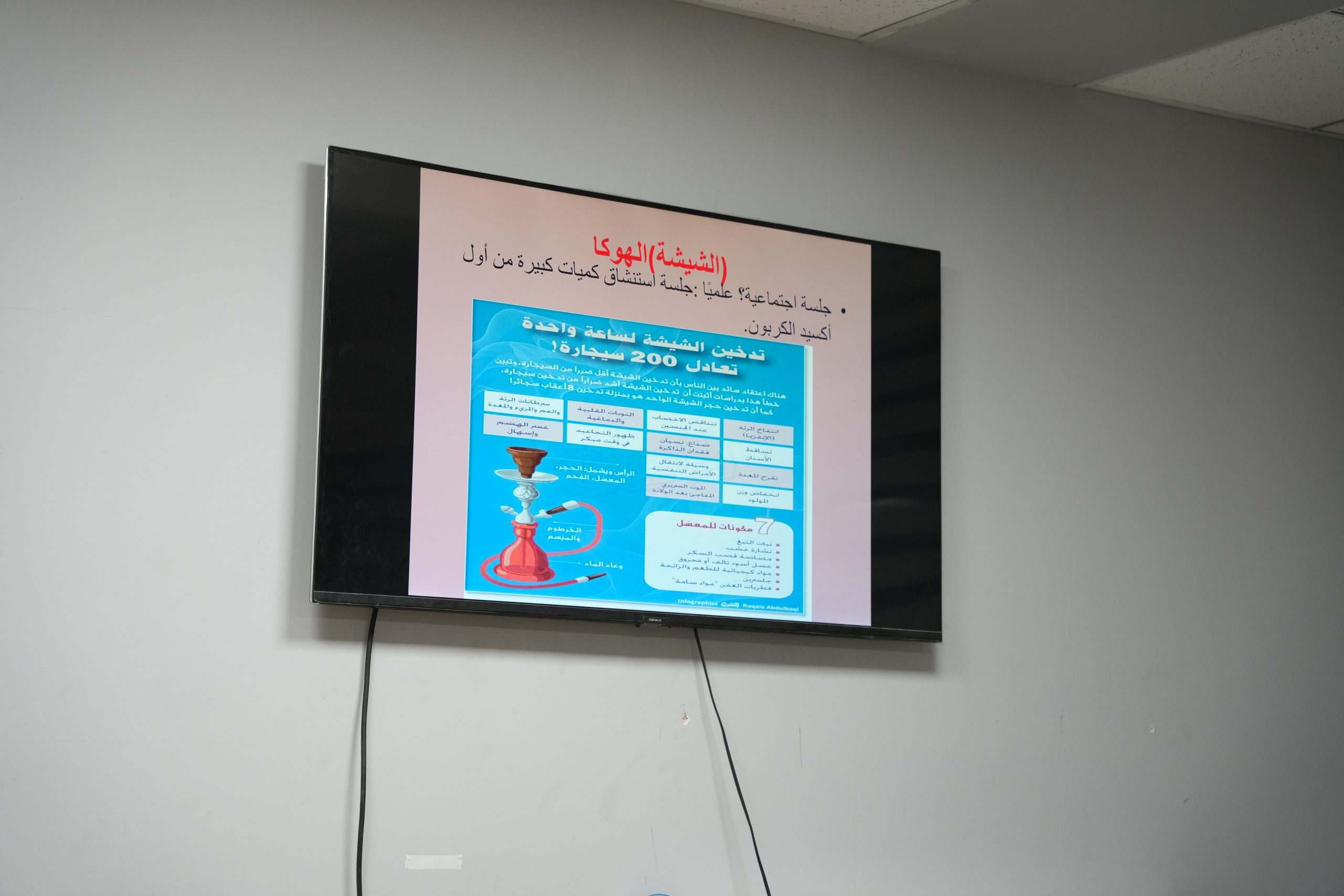
9) Drug addiction risks (Joint activity with the Rehabilitation and Employment Unit – Fourth-year students)
Asst. Lecturer Harith Mohammed Qanbar examined the dangers of substance abuse, early warning signs, and pathways for prevention and support. The session stressed responsible choices, the role of peers and family, and how awareness protects individuals and campus communities.
10) The impact of tablets on children’s eyes (Seminar with leadership attendance)
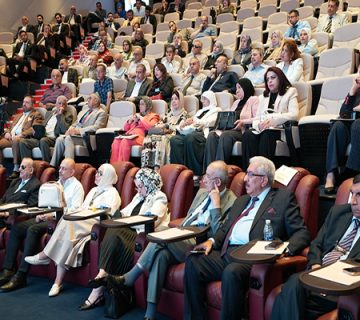
Prof. Dr. Suzan Amanah explained how prolonged screen time can affect children’s vision and eye comfort. The session emphasized safe habits such as limiting screen duration, proper lighting and distance, and encouraging breaks—delivered in the presence of the Dean, his assistants, and a large student audience.
11) Two awareness lectures for first-year students
Lecturer Dr. Mohammed Abdul Amir and Asst. Prof. Hazim Abd Aoun delivered foundational guidance for new students, focusing on early adjustment to university life, responsible behavior, and building positive study habits that support success from the first year.
12) Medical leadership, institutional loyalty, and building public trust
This session highlighted the role of the future doctor as a leader and representative of their institution. Students discussed professionalism, teamwork, ethical conduct, and communication that strengthens trust between healthcare providers and the community.
These activities reflect Al-Kindy College of Medicine’s continued dedication to student support—academically, psychologically, and socially—while promoting awareness, responsibility, and human values across campus.