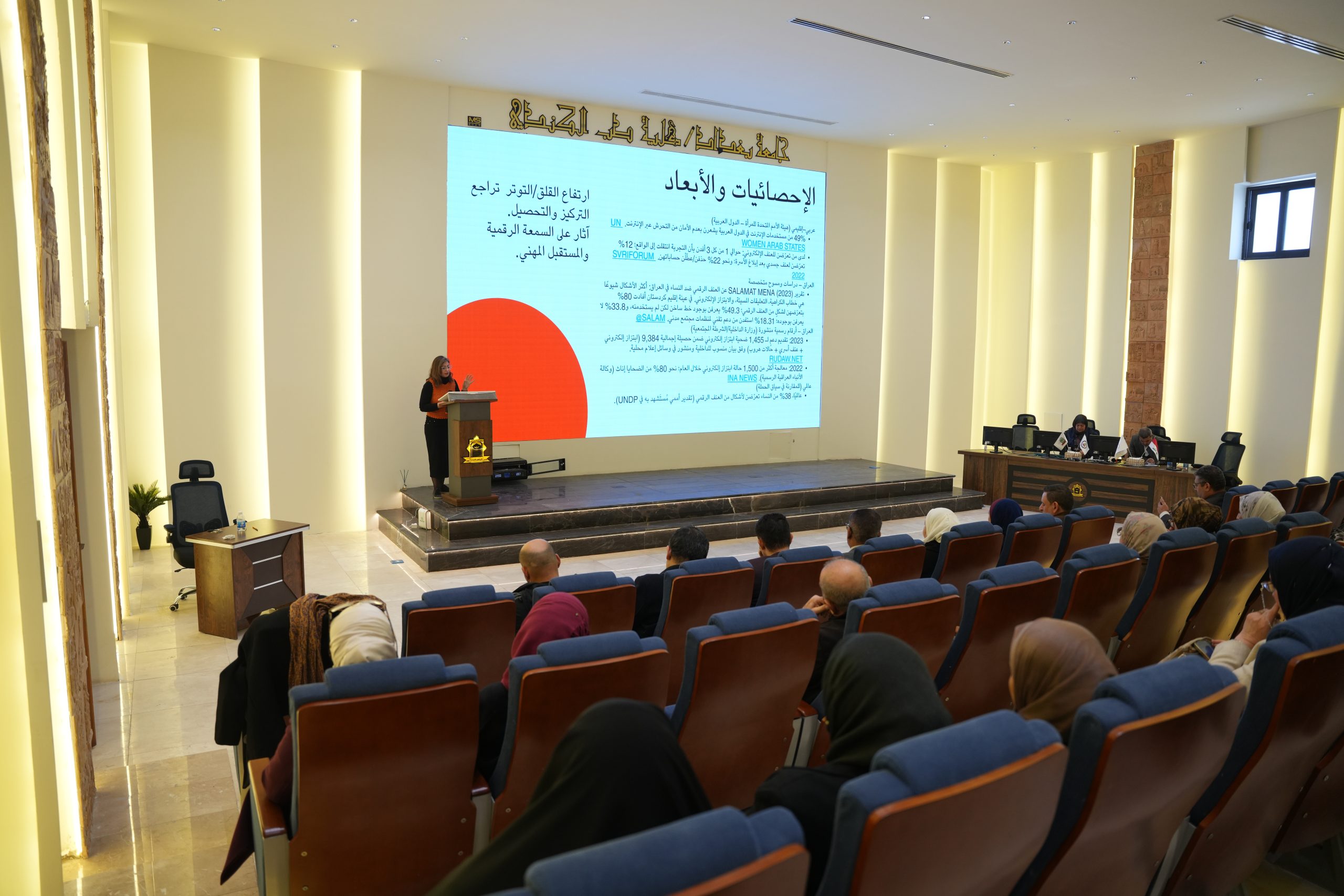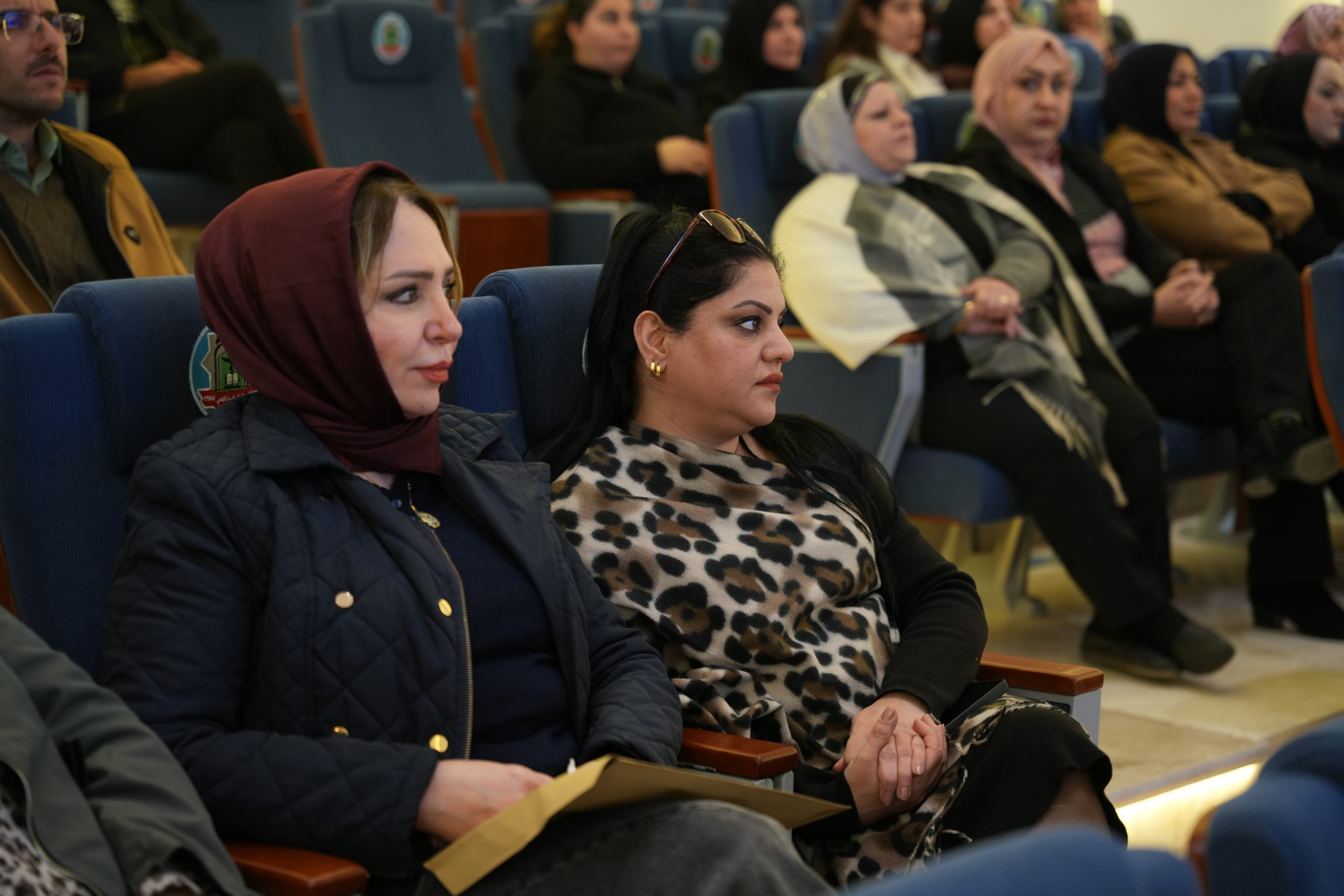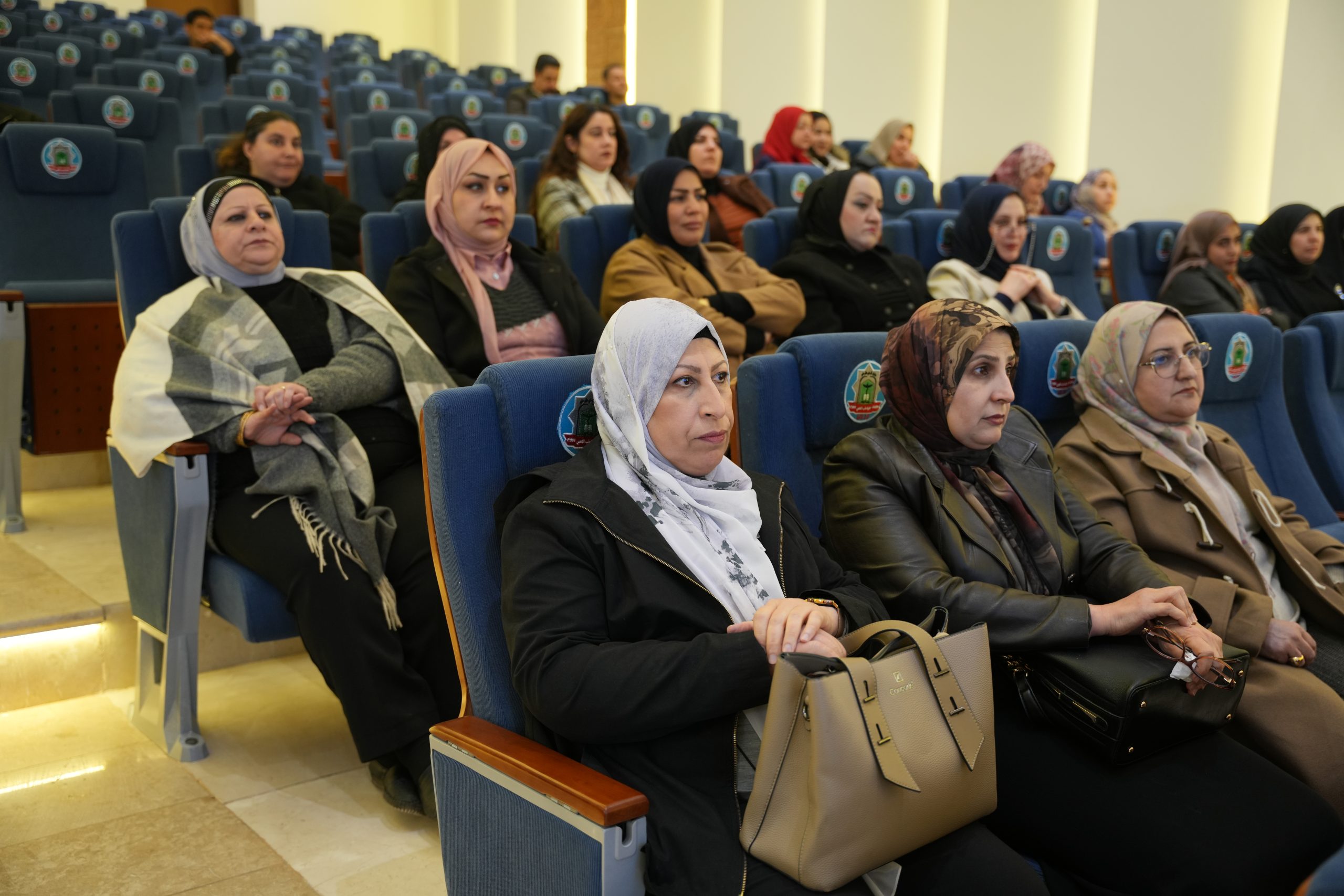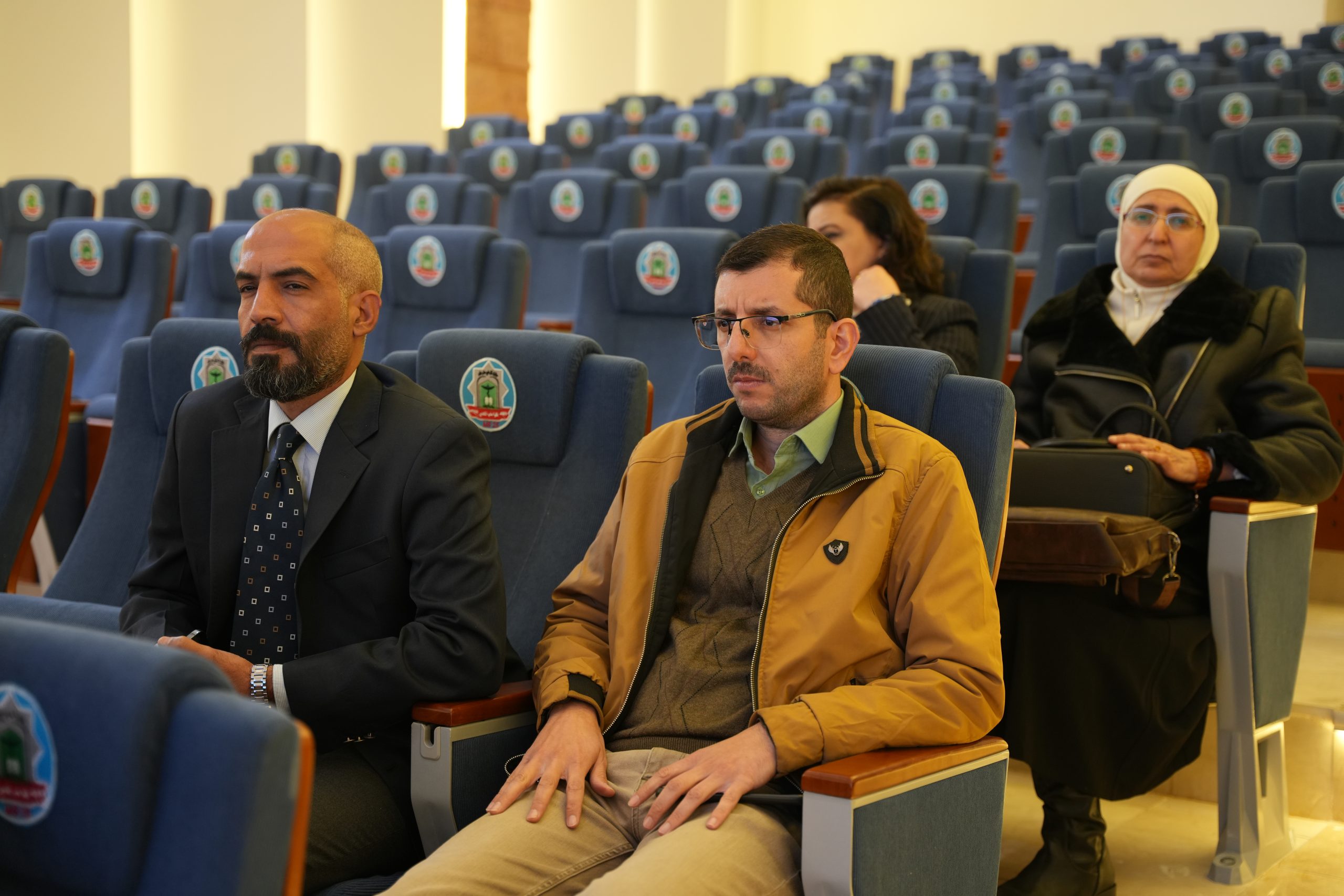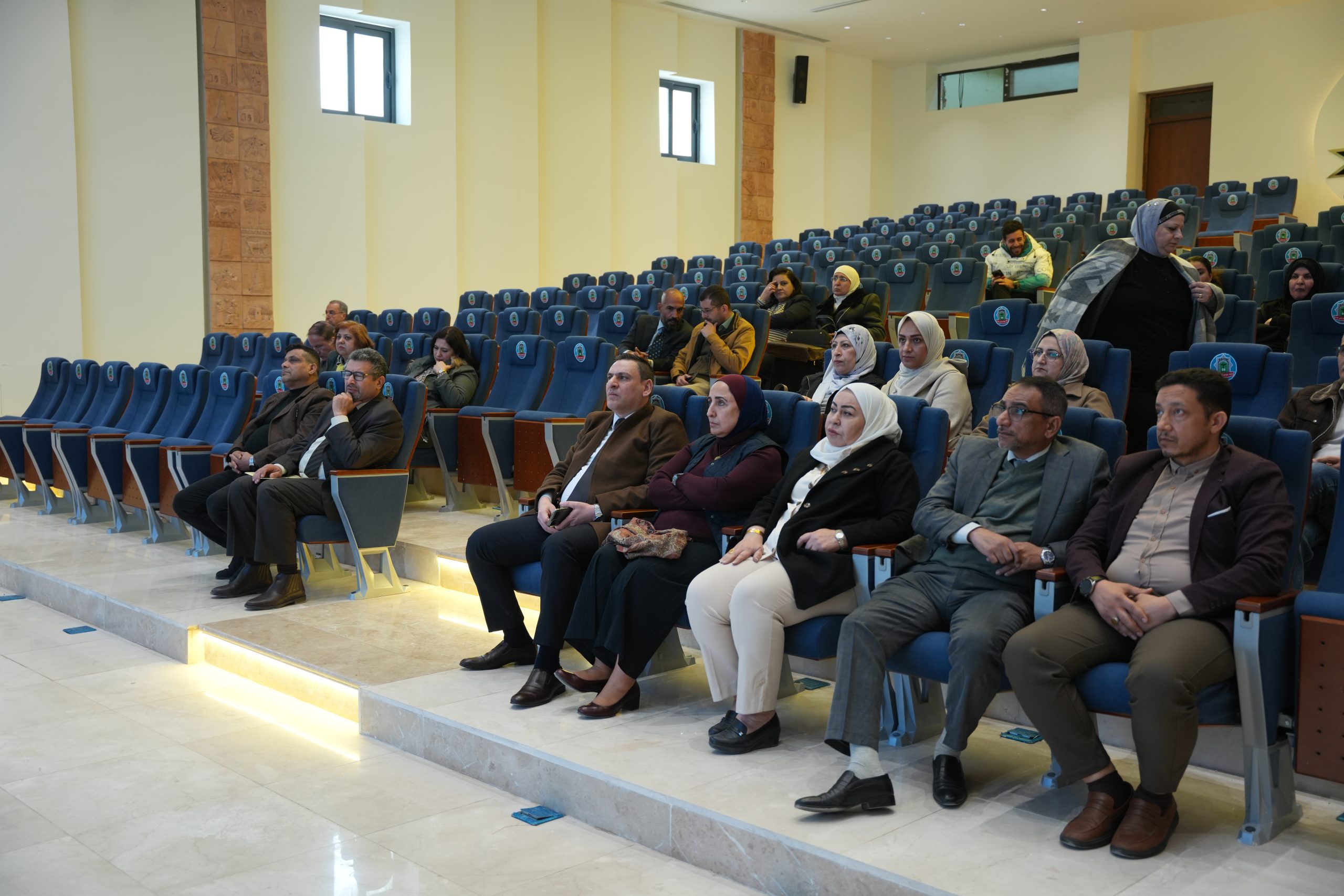

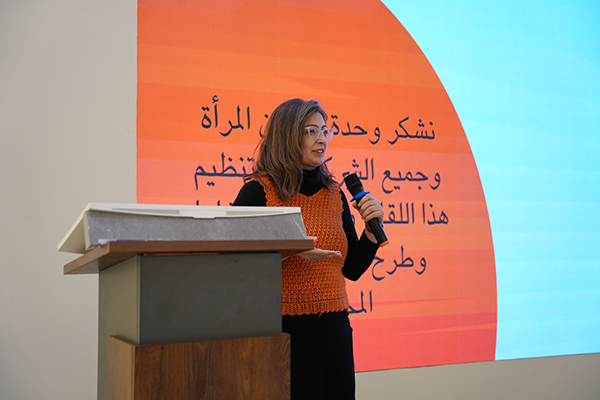
As part of the United Nations UNiTE / Orange The World campaign, the Women’s Affairs Unit, in cooperation with the Continuing Education Unit at Al-Kindy College of Medicine, University of Baghdad, organized an awareness lecture titled “Digital Violence Against Women and Girls: Modern Challenges and Our Shared Responsibility.” The lecture was delivered by Senior Programmer Noor Fares Abdul Kareem to strengthen campus awareness of digital violence, prevention, and response pathways.
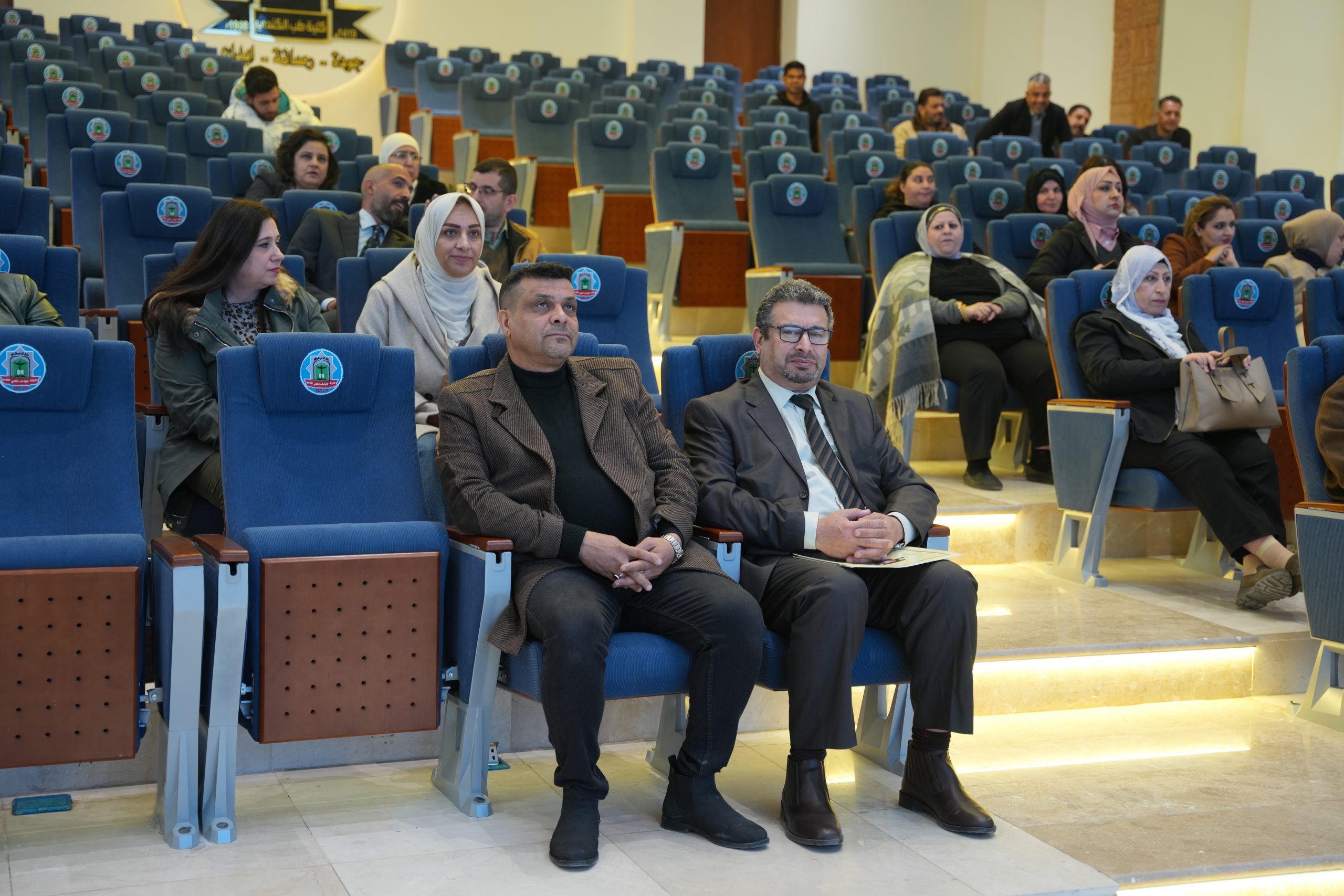
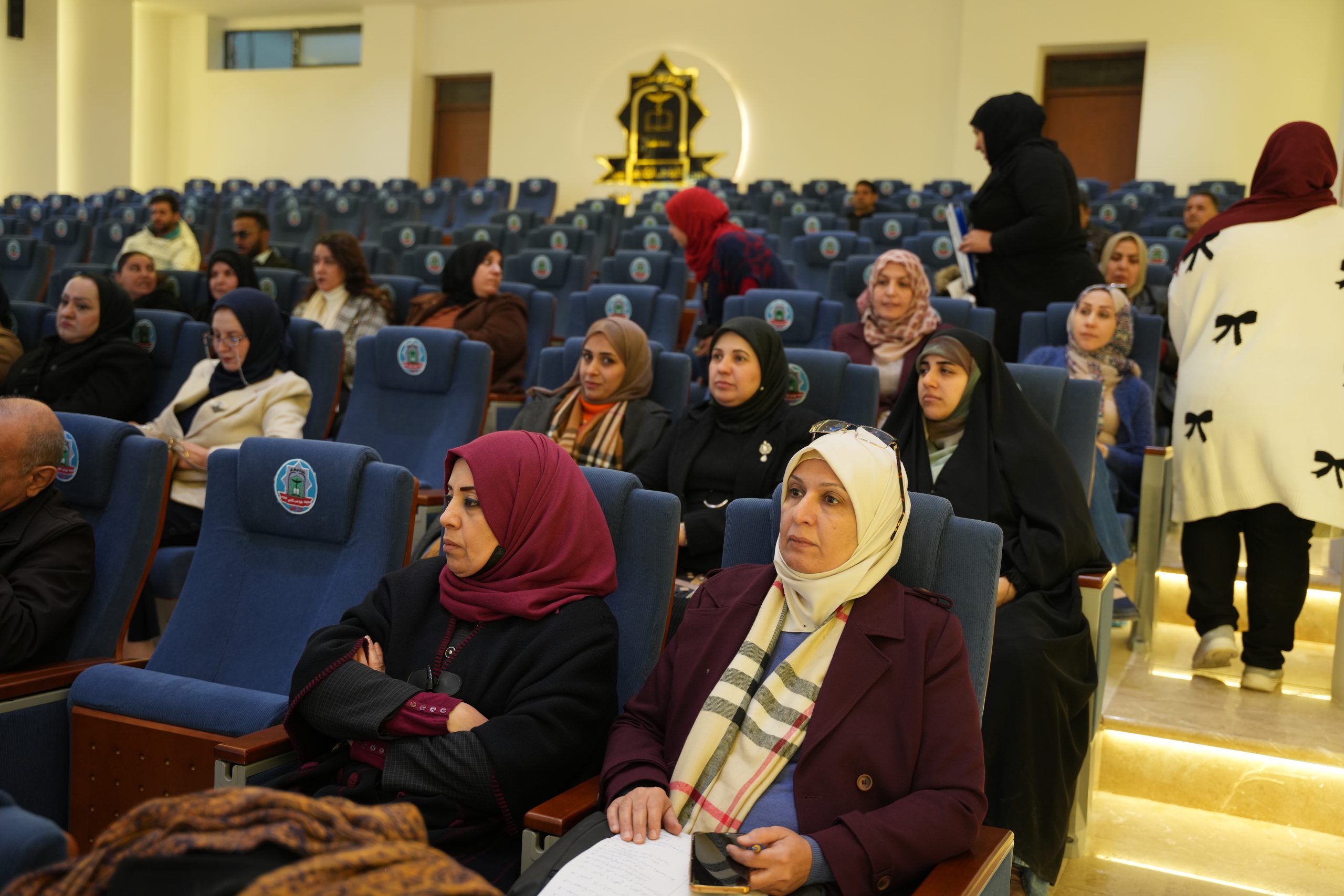
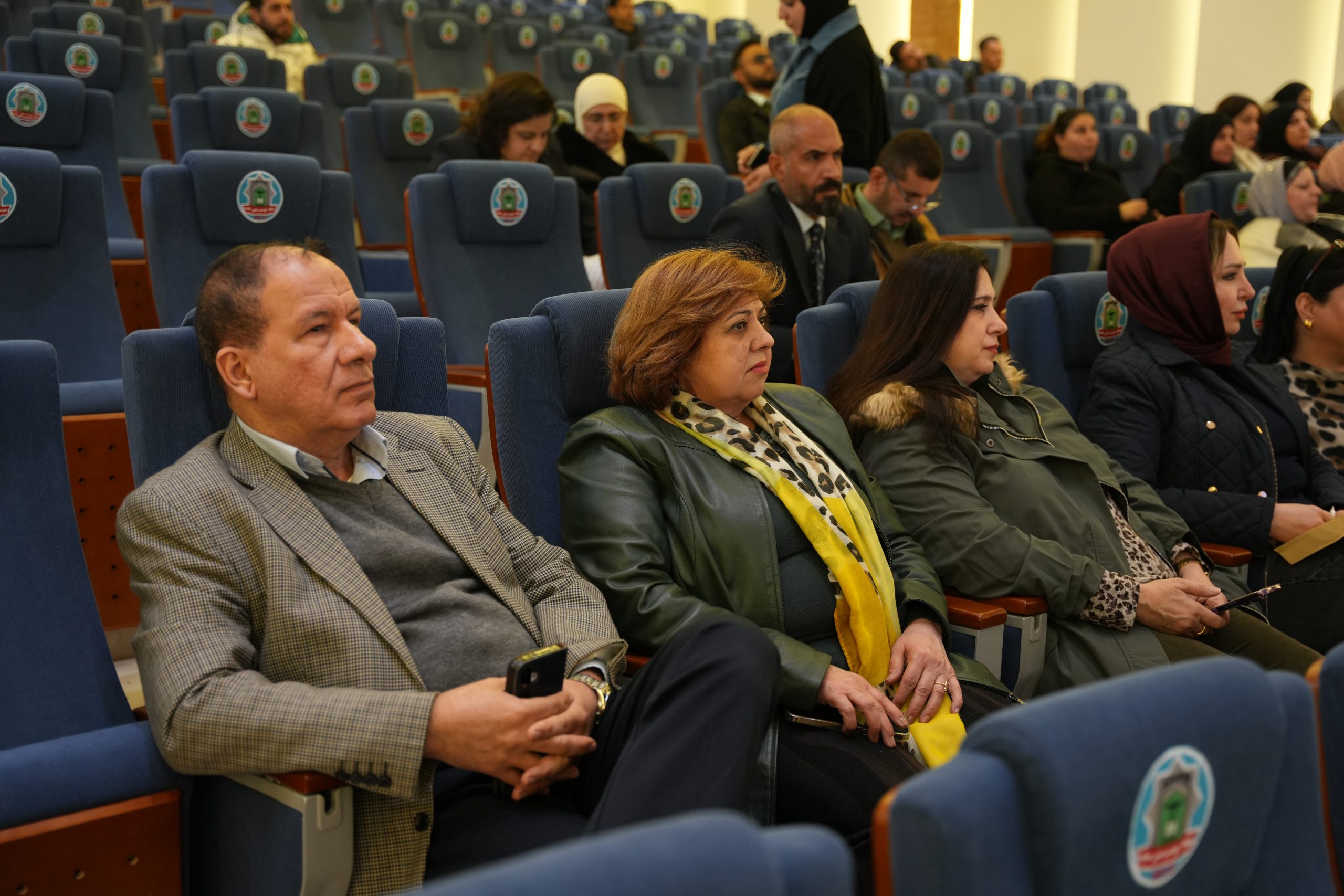
The event was attended by the Dean, Prof. Dr. Mohammed Shihab Al-Eidani, his assistants, and a number of faculty members and staff. The lecture defined digital violence as harm carried out or enabled through technology—such as the internet, smartphones, social media platforms, and email—and highlighted its psychological, health, social, and educational consequences, including anxiety, depression, sleep and concentration disturbances, reduced academic performance, and damage to digital reputation.
The session reviewed common patterns of digital violence, including:
-
online harassment and cyberbullying
-
threats, rumor-spreading, and blackmail-related intimidation
-
sharing private content without consent
-
impersonation and identity theft
-
stalking, tracking, doxxing, and data exposure
-
leaking or threatening to leak academic or personal information
The lecture emphasized that addressing this challenge requires shared responsibility and a supportive institutional culture that encourages reporting and protection.
Participants were provided with actionable steps to strengthen digital safety, including:
-
using strong, unique passwords
-
enabling two-factor authentication (2FA)
-
adjusting privacy settings
-
being cautious about sharing personal content
The lecture outlined response steps such as:
-
not engaging with the perpetrator
-
immediate documentation of the incident
-
blocking and reporting through platforms
-
seeking psychological and legal support via official institutional channels
It also stressed using official reporting channels in cases of direct risk, and noted “911” as a number referenced for reporting humanitarian cases and suspicious incidents, including electronic extortion.
The lecture concluded by reaffirming that digital violence is a real and harmful phenomenon, and that building a respectful, safe digital campus depends on awareness, solidarity, and shared responsibility.