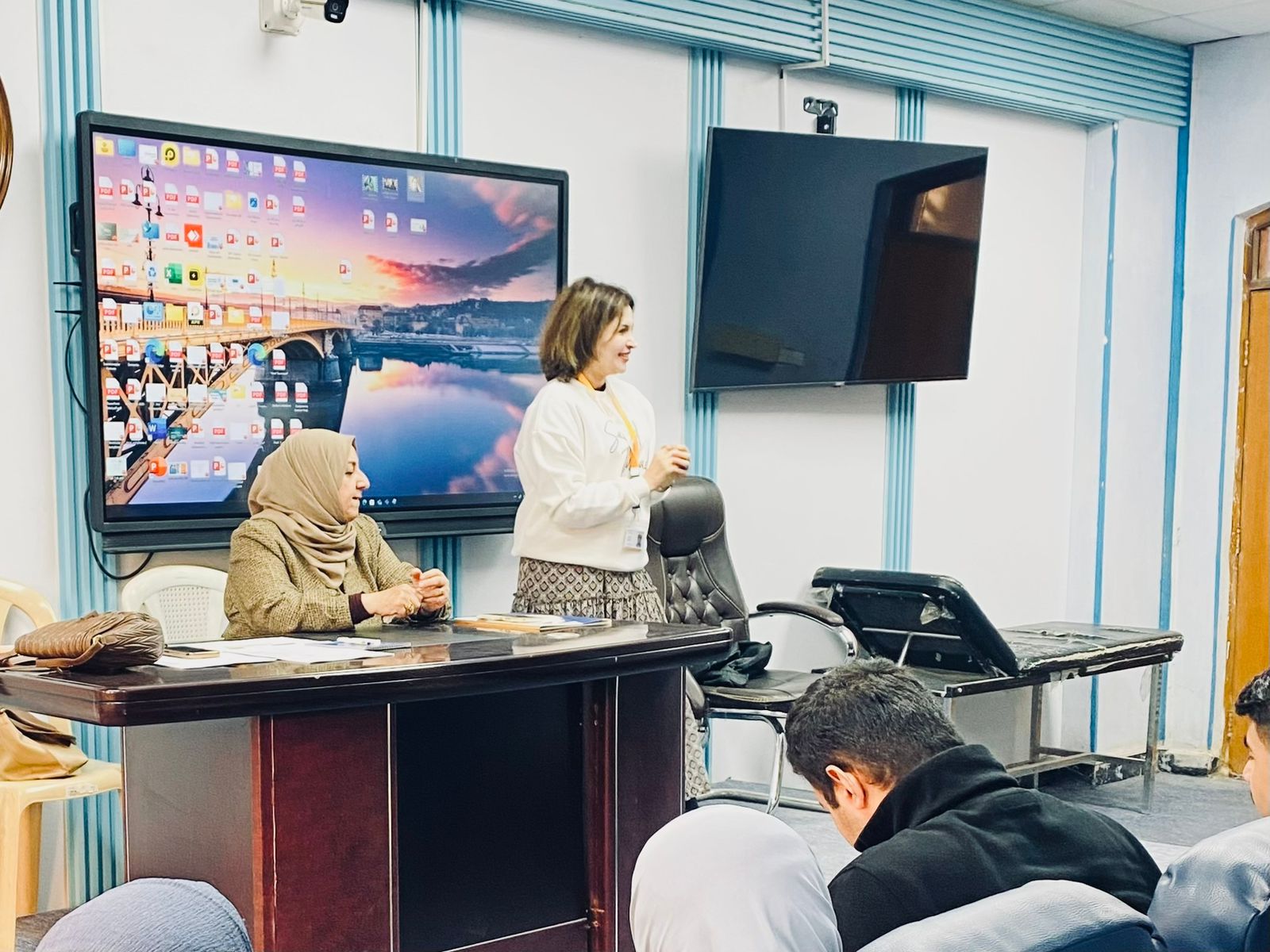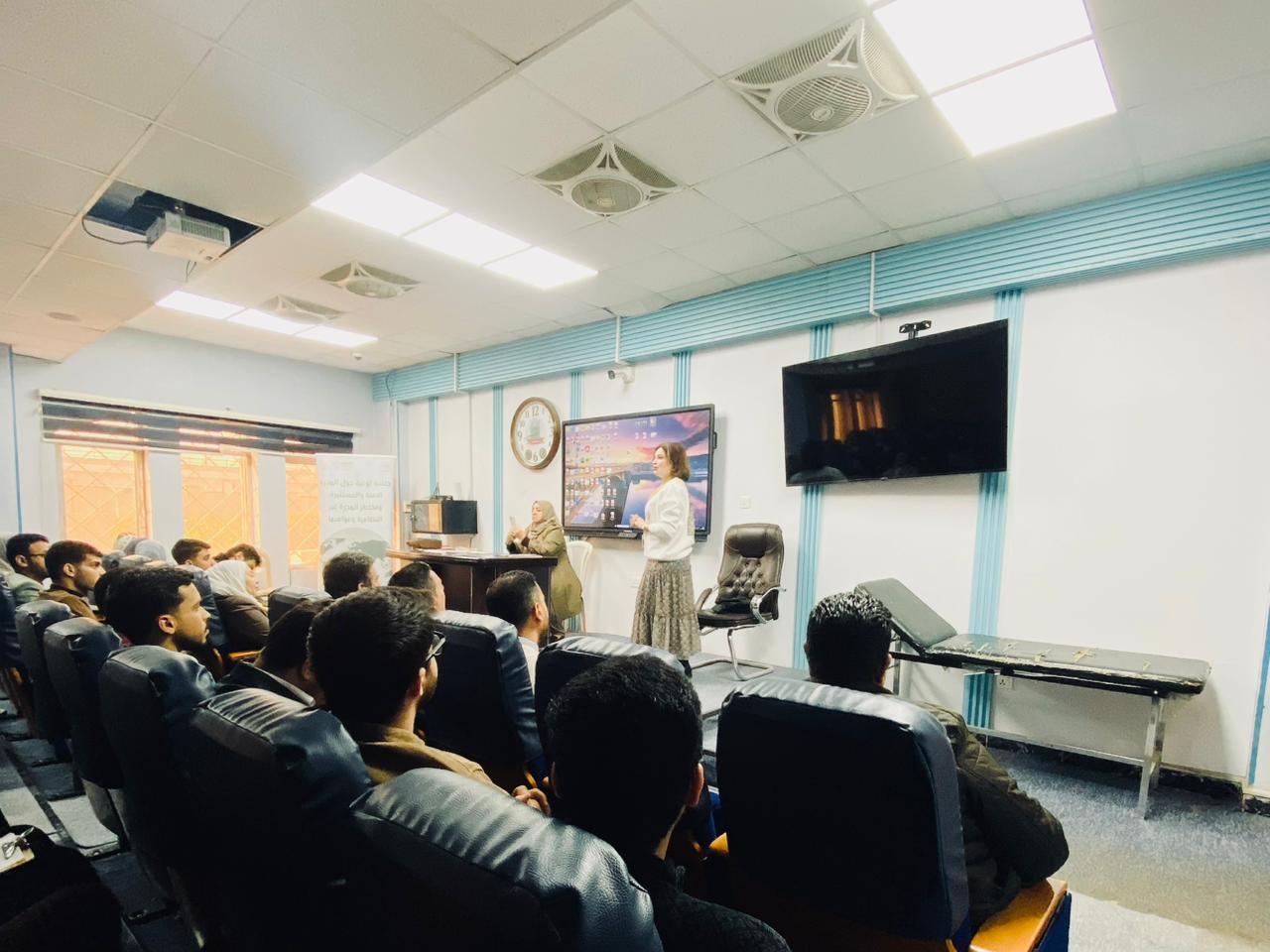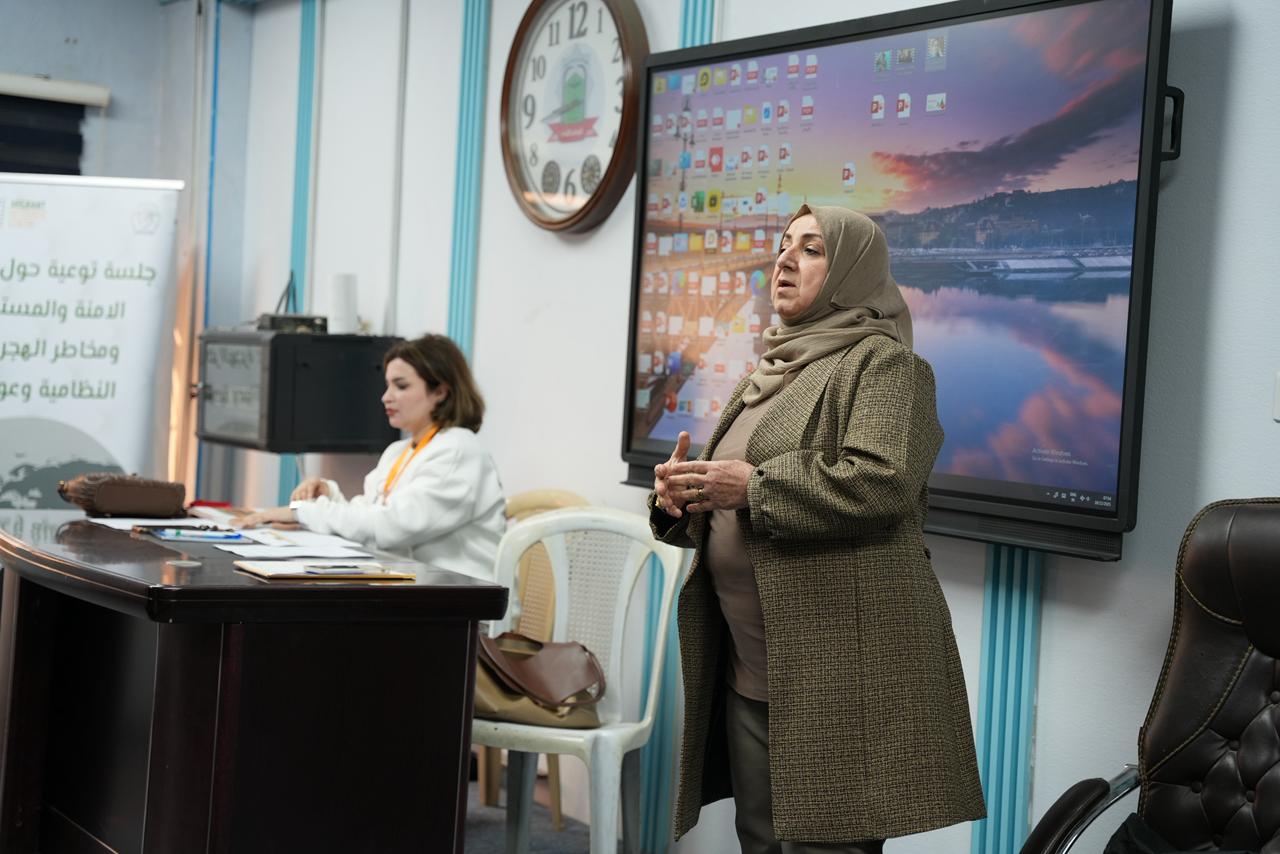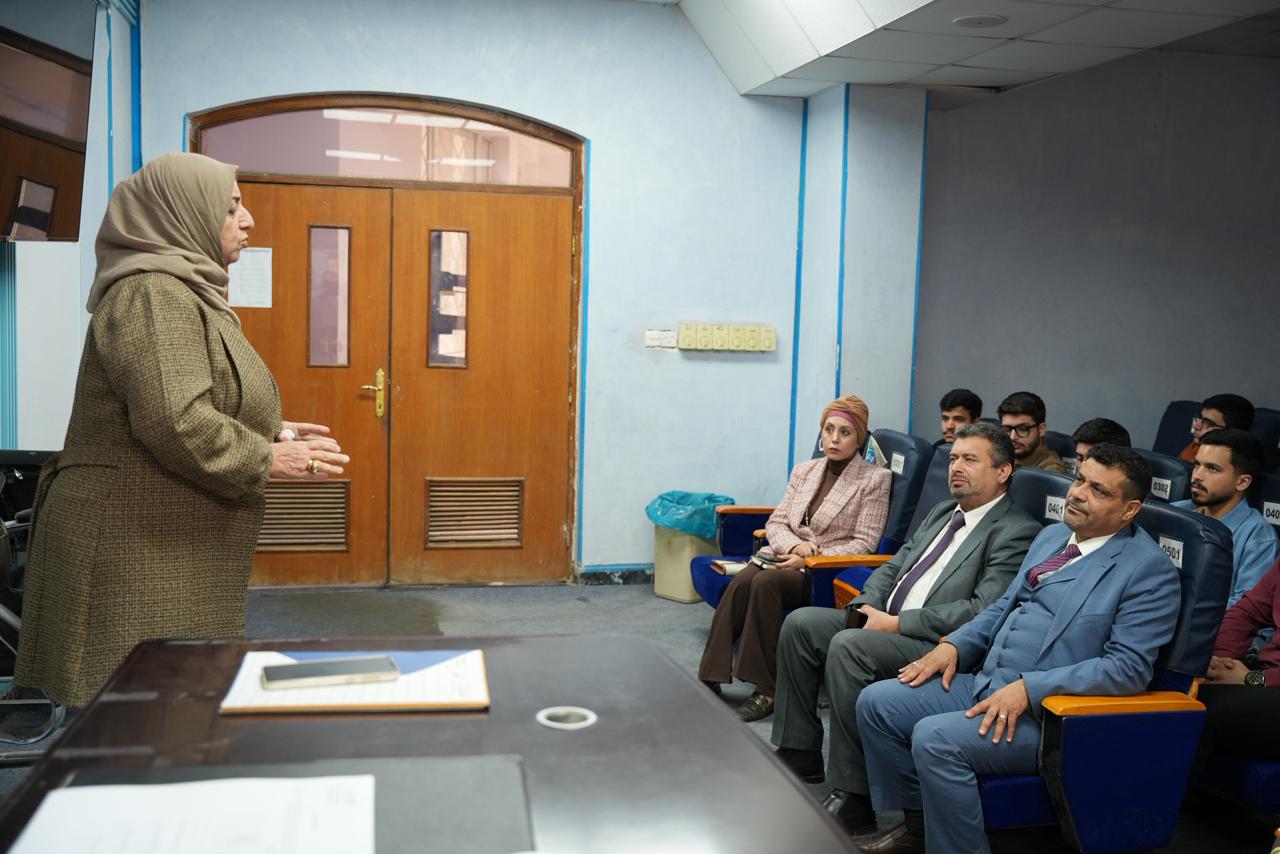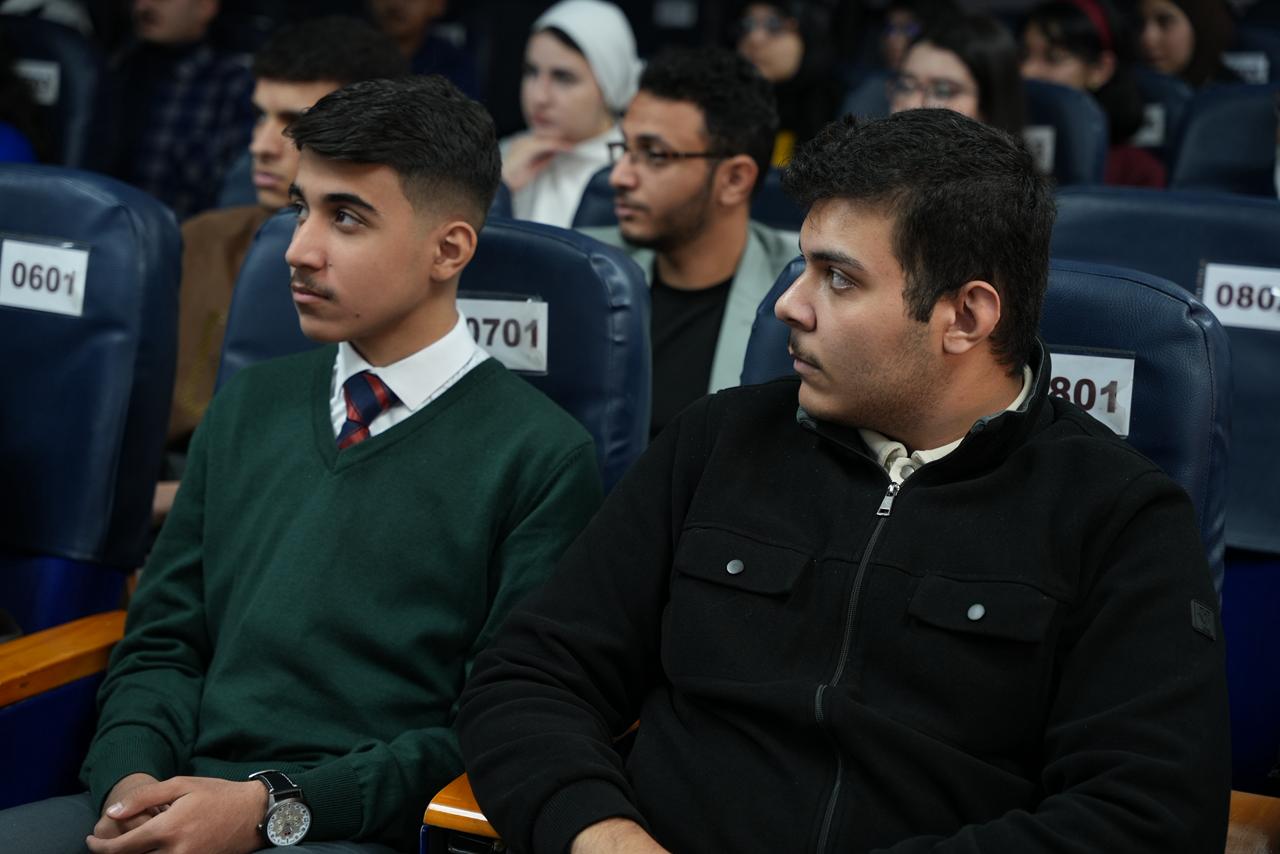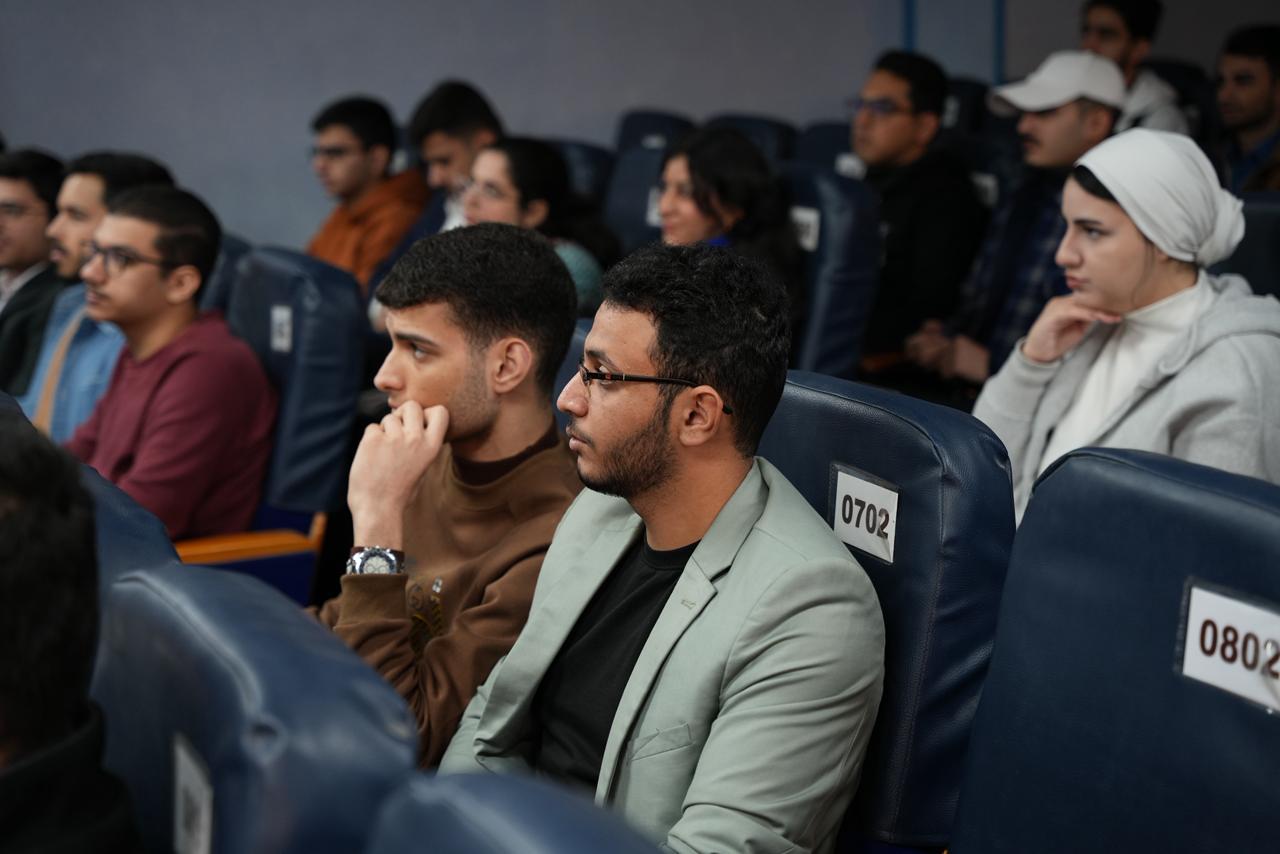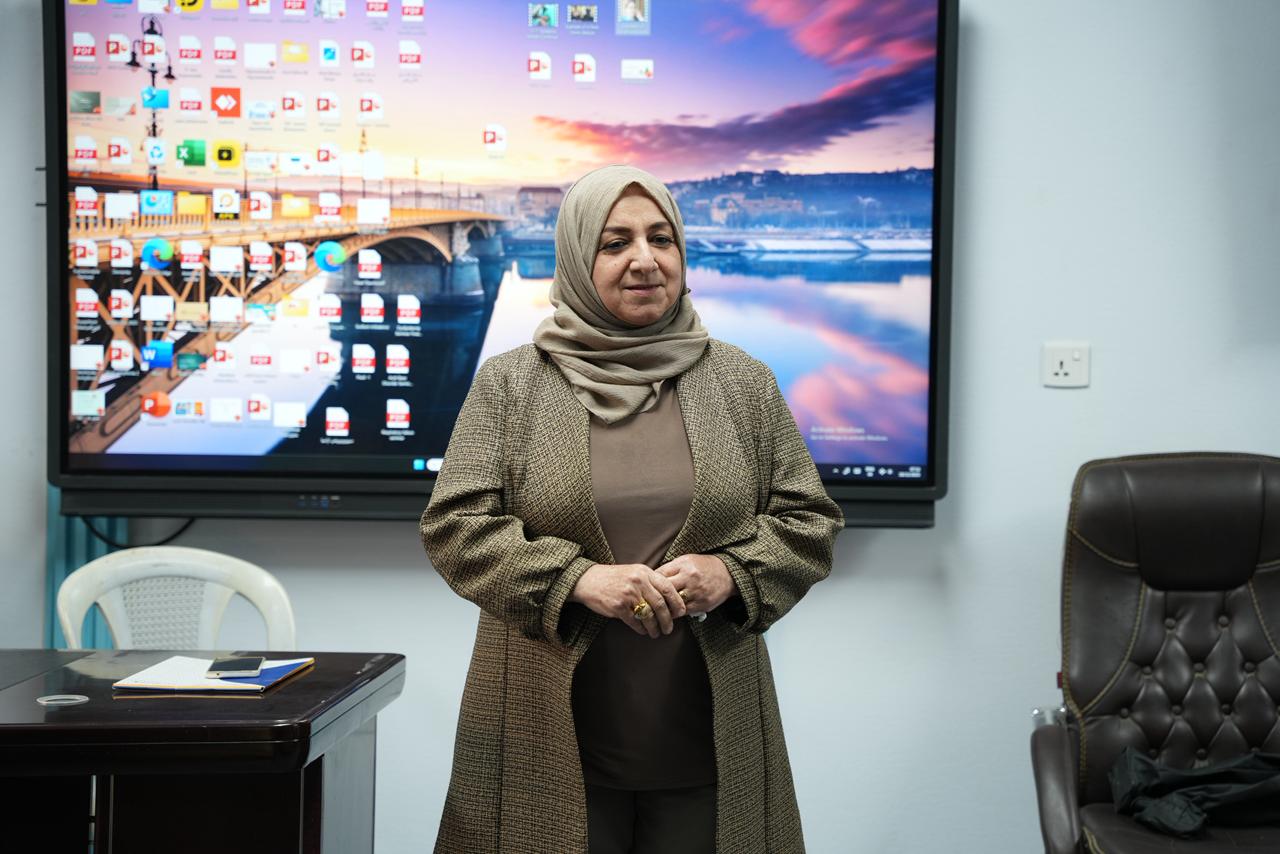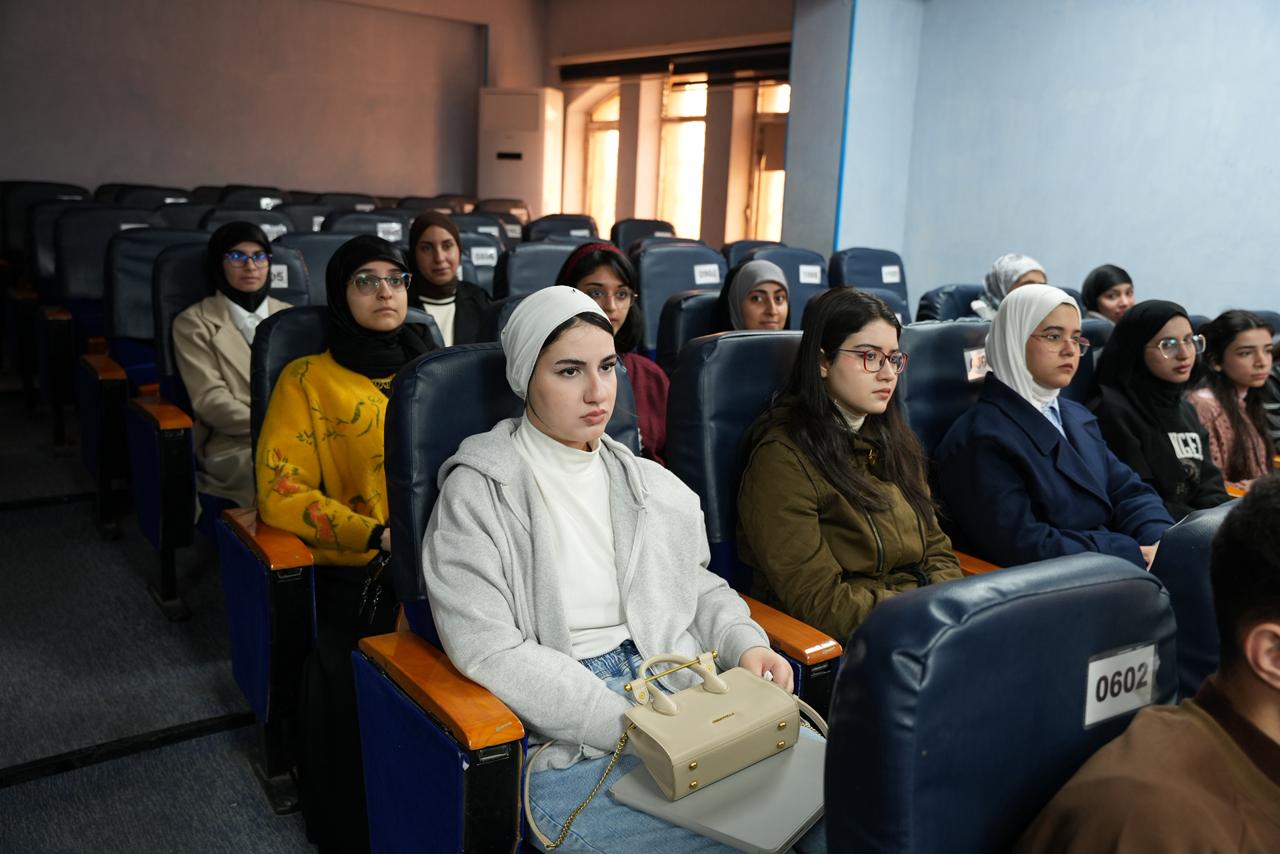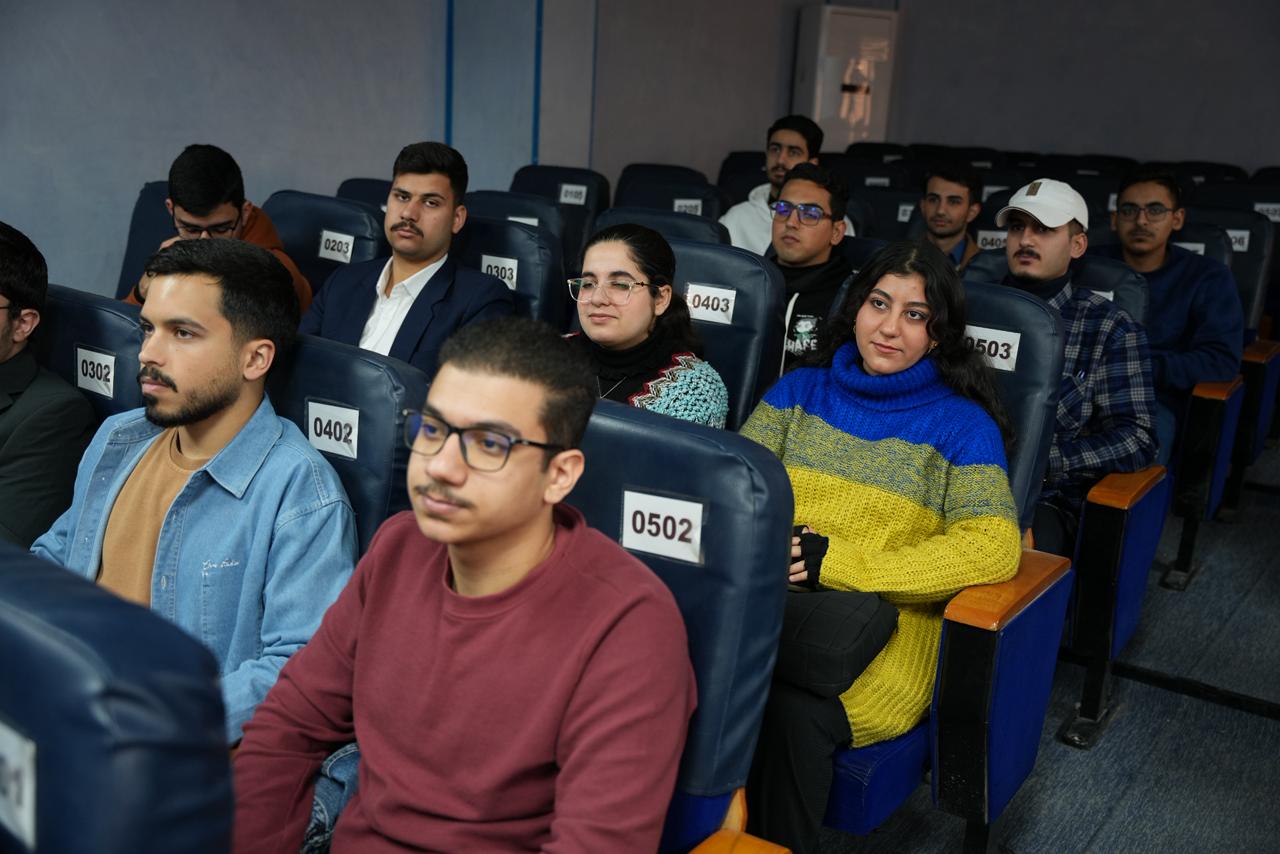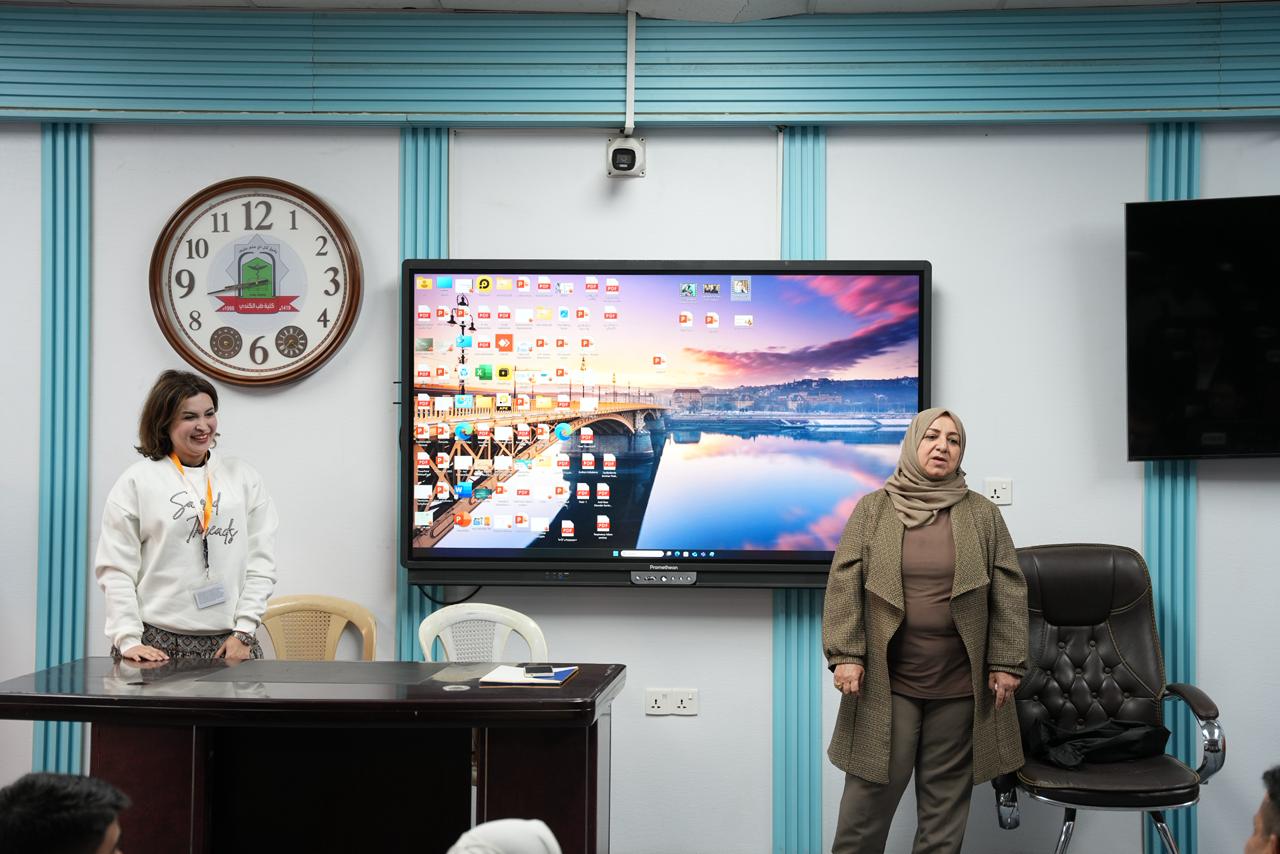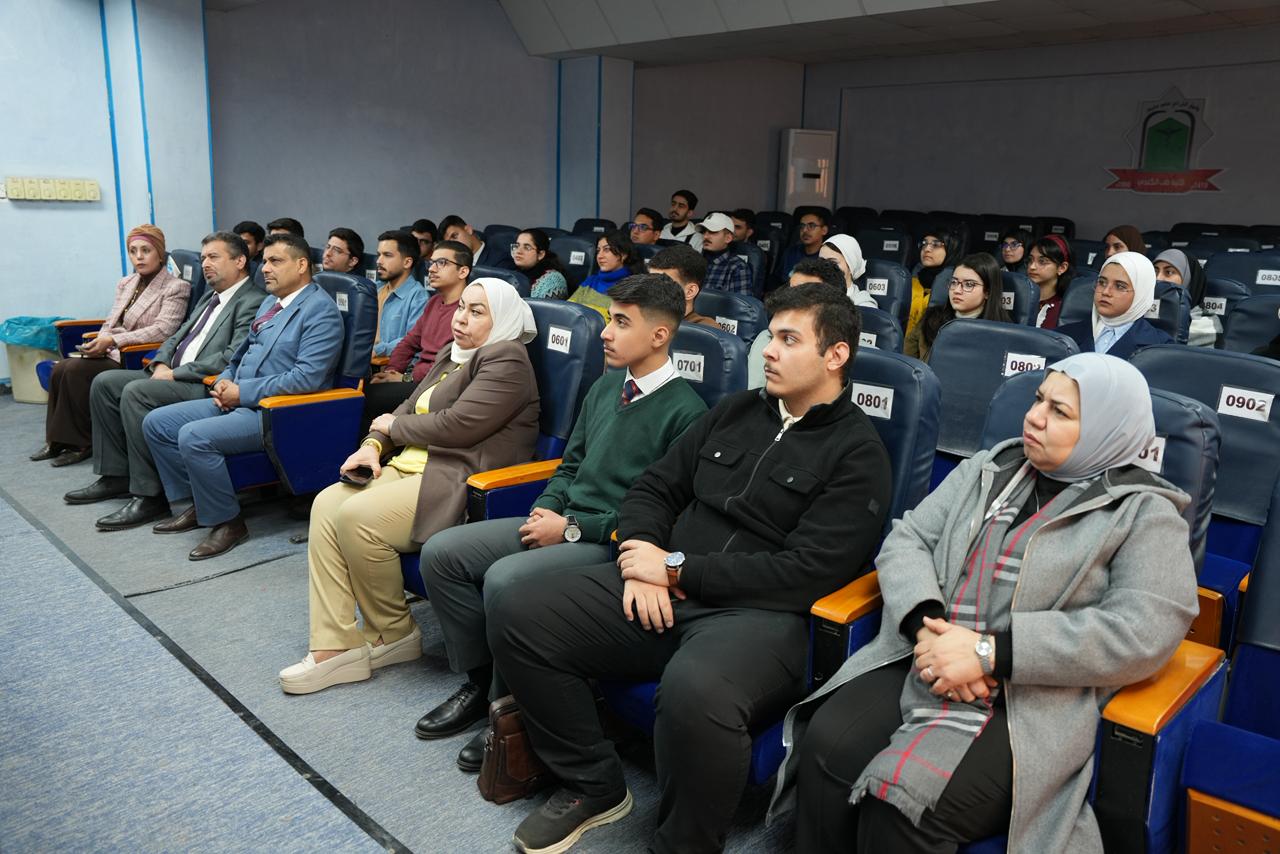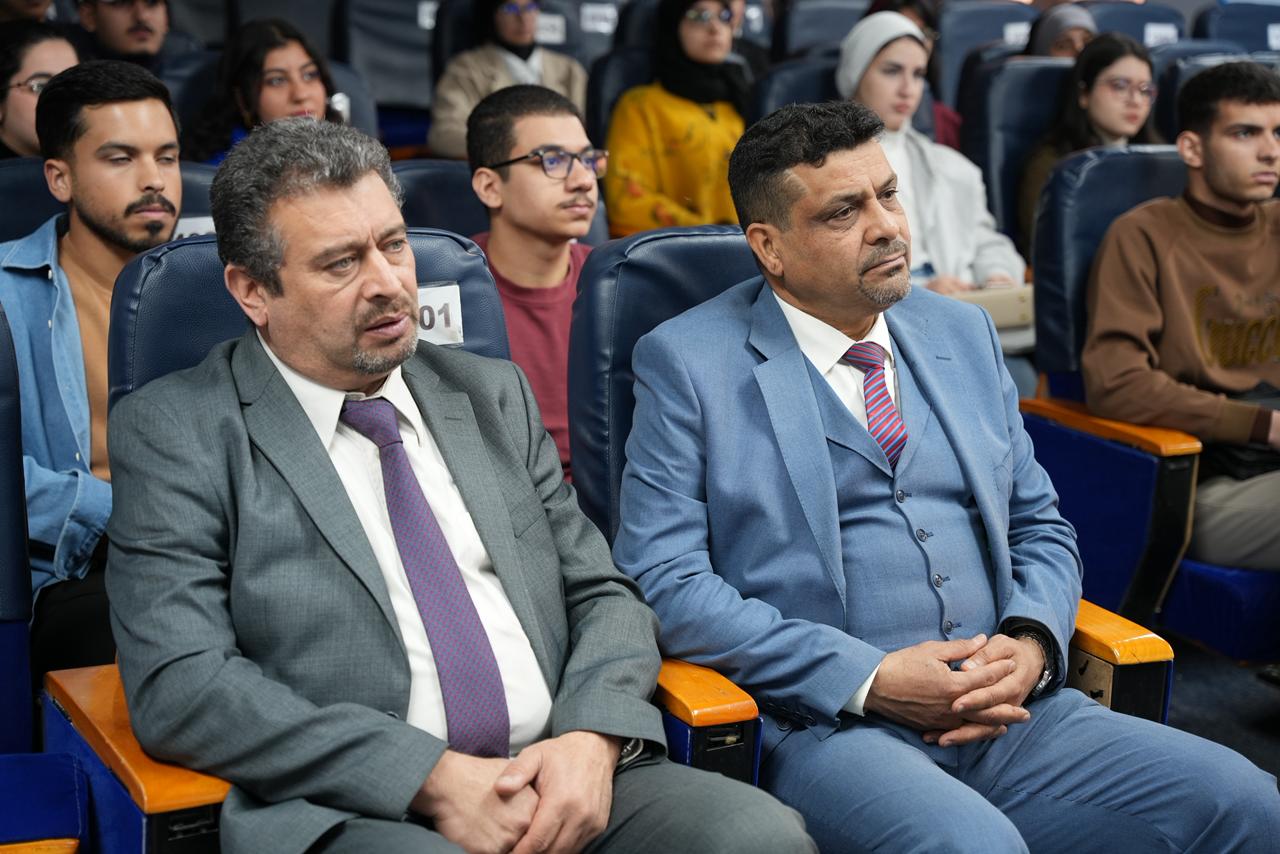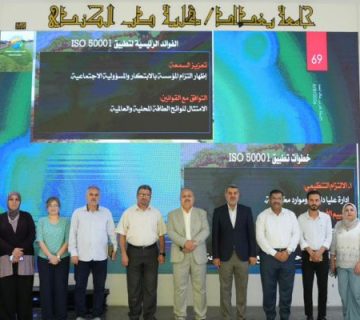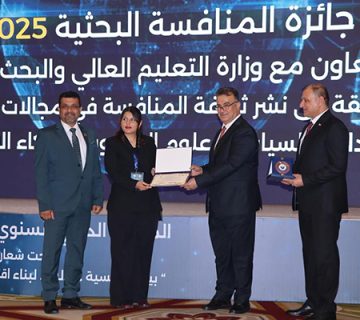
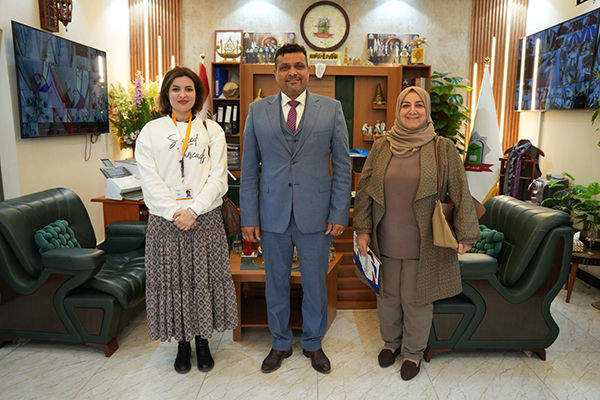
The Counseling Unit, in cooperation with the Ministry of Migration and Displacement and the Migration Resource Center, convened an awareness session addressing the risks of irregular migration and the institutional services available to returnees. The event was delivered by Bushra Hashim Murad (Head, Return & Reintegration Section, MoMD) and Donya Saad Taha (Advisor, Migration Resource Center), in the presence of Dean Prof. Dr. Mohammed Shihab Al-Aidani, the academic and administrative vice-deans, Assoc. Prof. Dr. Suzan Amana (Head, Counseling Unit), faculty, and students.
The session aimed to provide an evidence-informed overview of irregular migration dynamics, with emphasis on human trafficking and migrant-smuggling networks targeting youth. It sought to strengthen students’ risk recognition, decision-making, and help-seeking capacities, while signposting official channels for counseling and reintegration.
-
Concepts and risk landscape: Definitions of irregular migration; current patterns and drivers; profiles of exploitation.
-
Victimization pathways: Tactics used by traffickers and smugglers (recruitment, coercion, online deception) and associated health, psychosocial, and legal harms.
-
Preventive framing: Safer alternatives, documentation, and access to verified information to support informed and lawful mobility choices.
-
Reporting and referral: The importance of timely reporting, confidentiality standards, and inter-agency coordination.
The Migration Resource Center—headquartered at the Ministry in Baghdad with offices in Erbil and Sulaymaniyah—offers free and confidential support, including:
-
Individual counseling (in-person and online) and campus awareness sessions.
-
Psychosocial guidance, information provision, and skills-development opportunities.
-
Reintegration support for returnees (orientation, referrals, and follow-up).
By integrating migration literacy into the medical campus context, the session advances public health, ethics, and social accountability in higher education. Strengthened awareness and referral competencies contribute to harm reduction, legal compliance, and sustainable reintegration for affected individuals, with benefits for students, families, and the broader community.