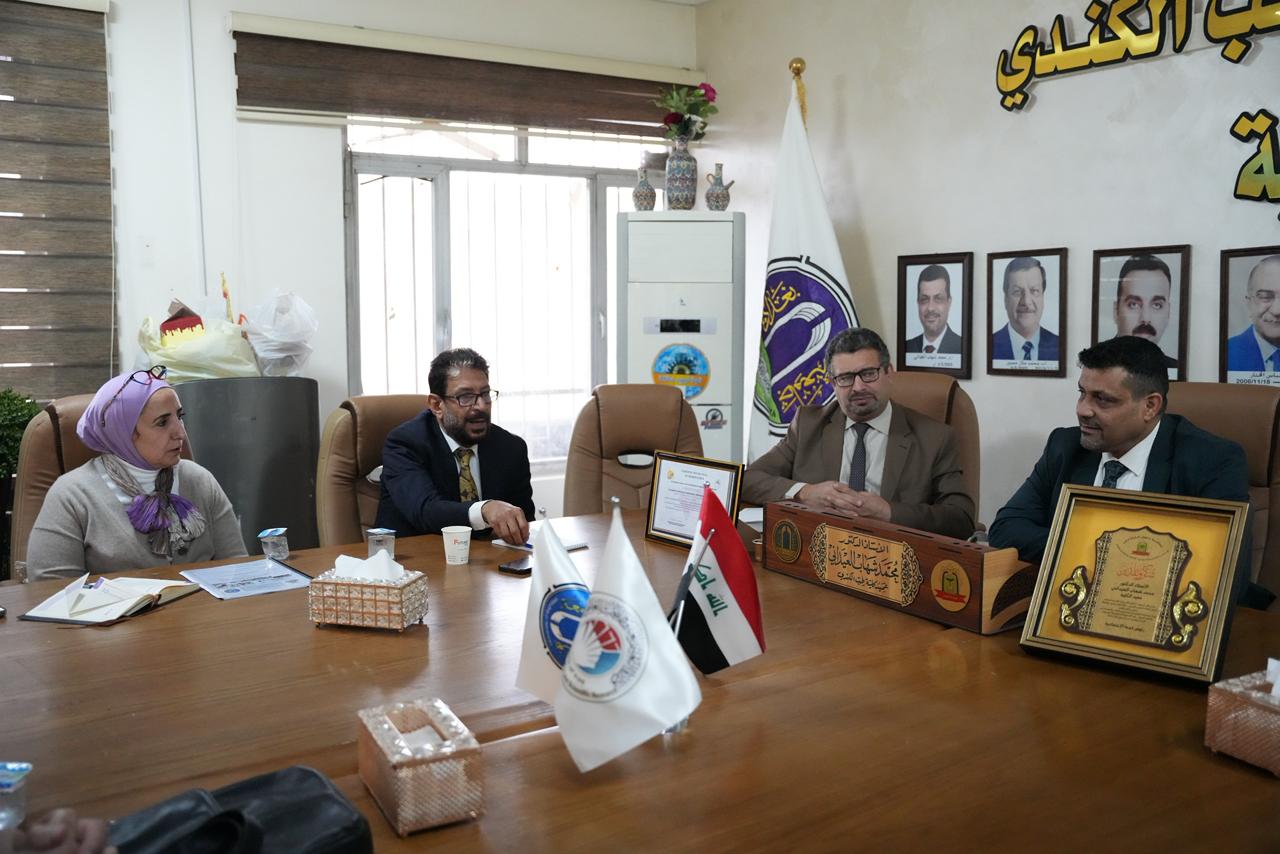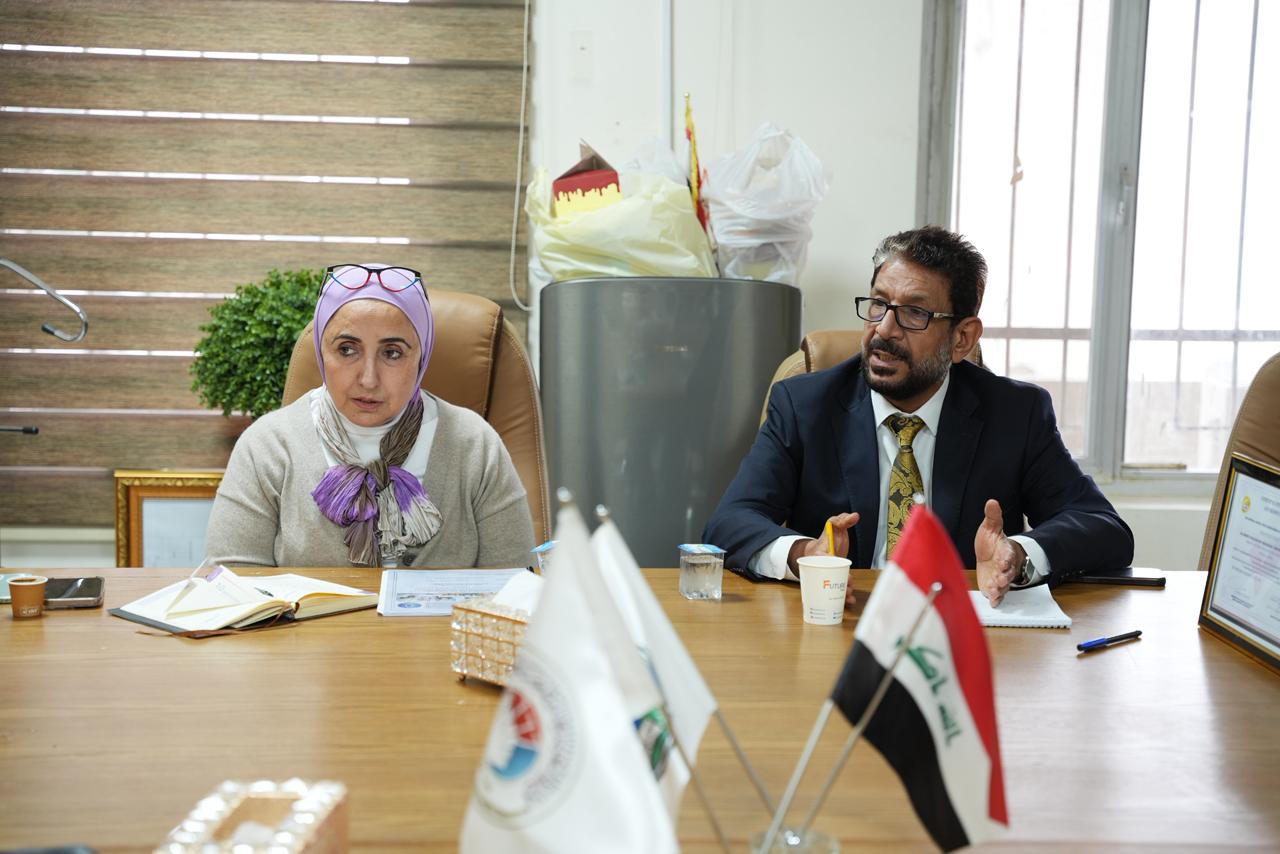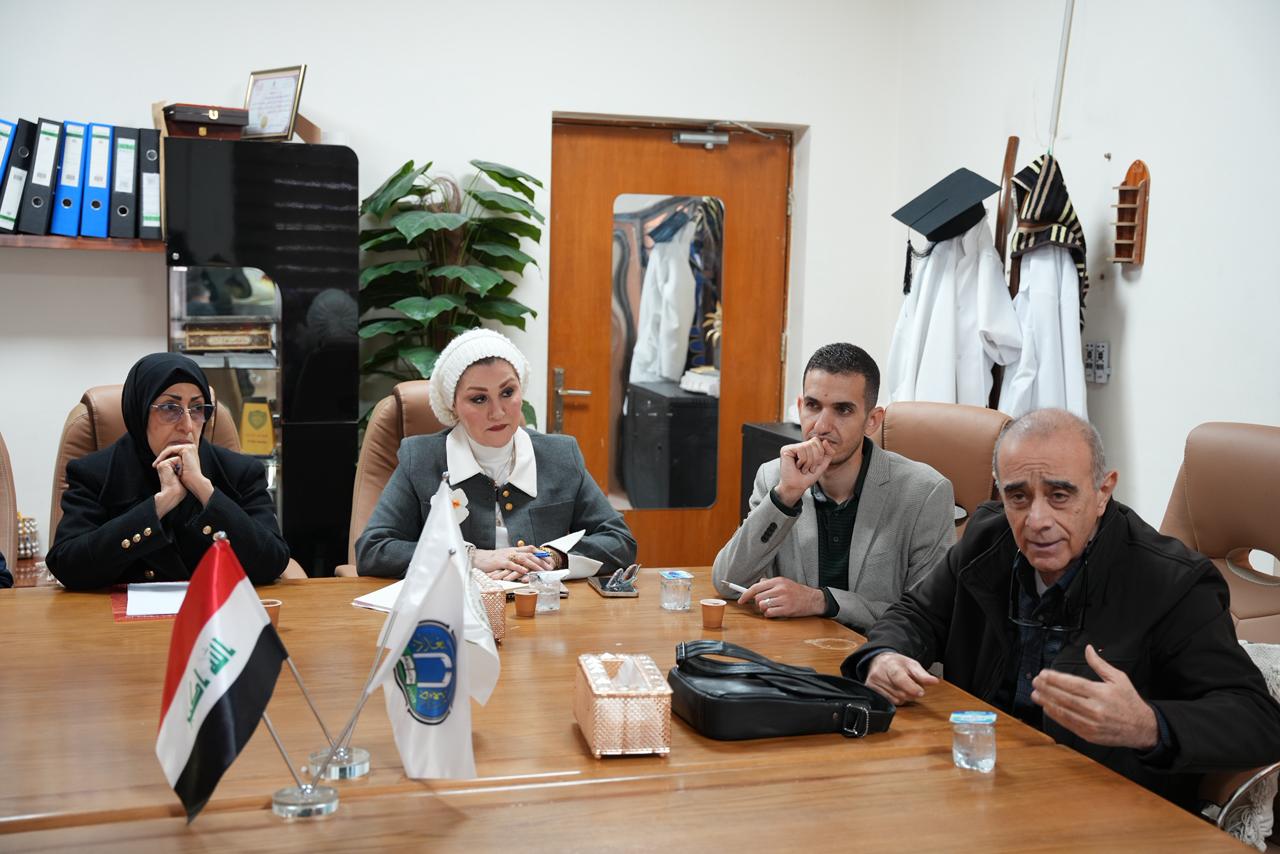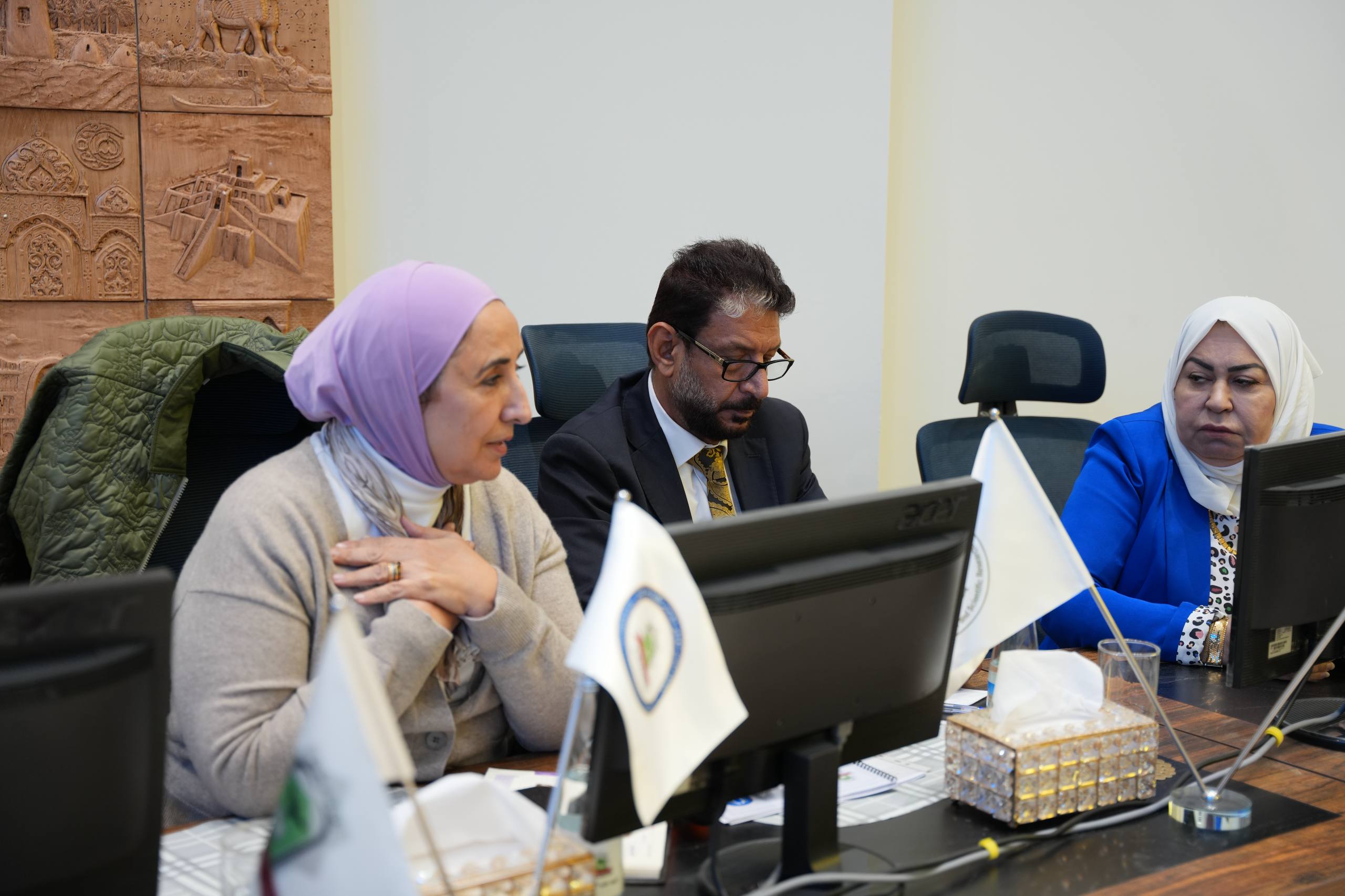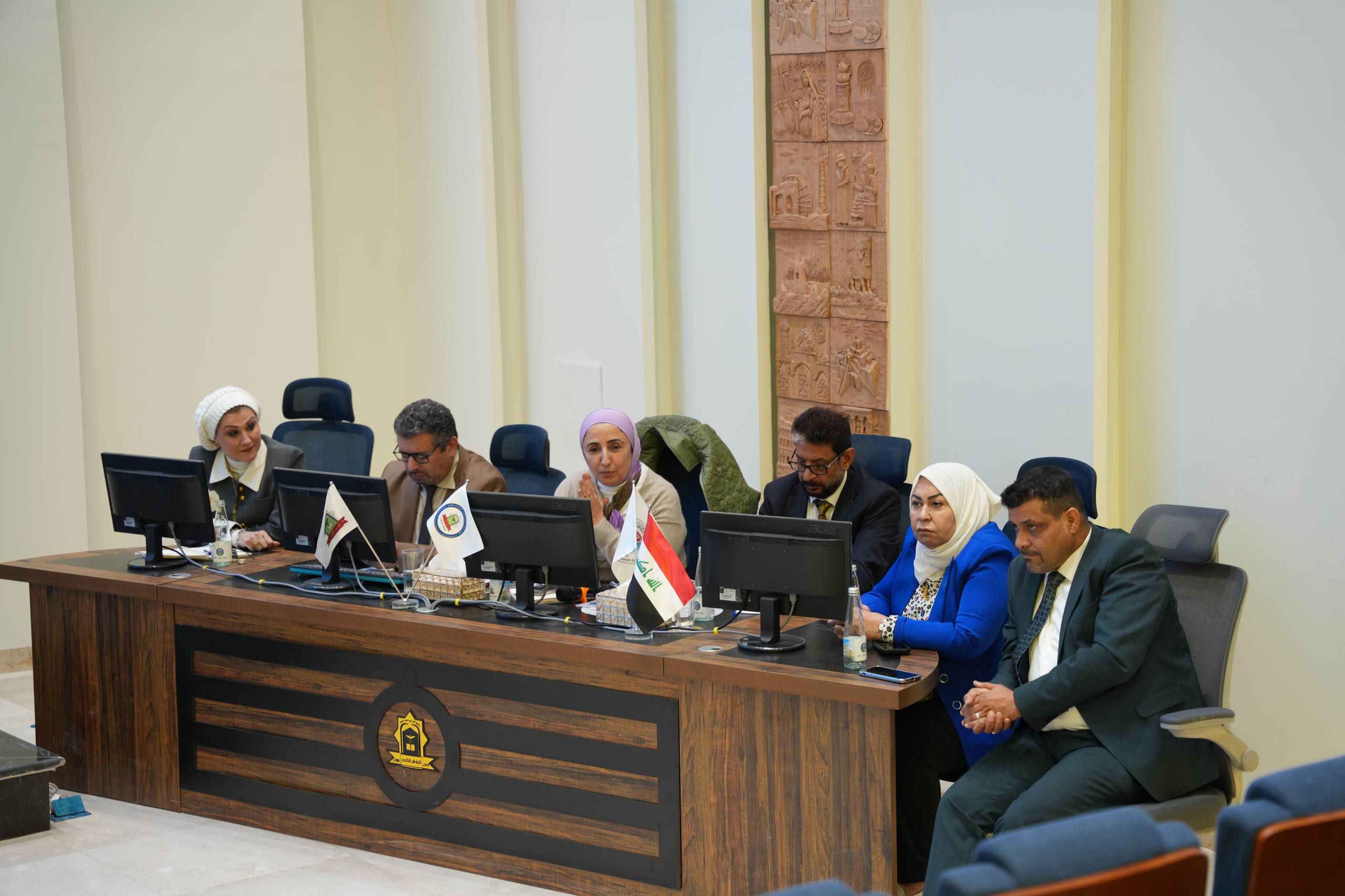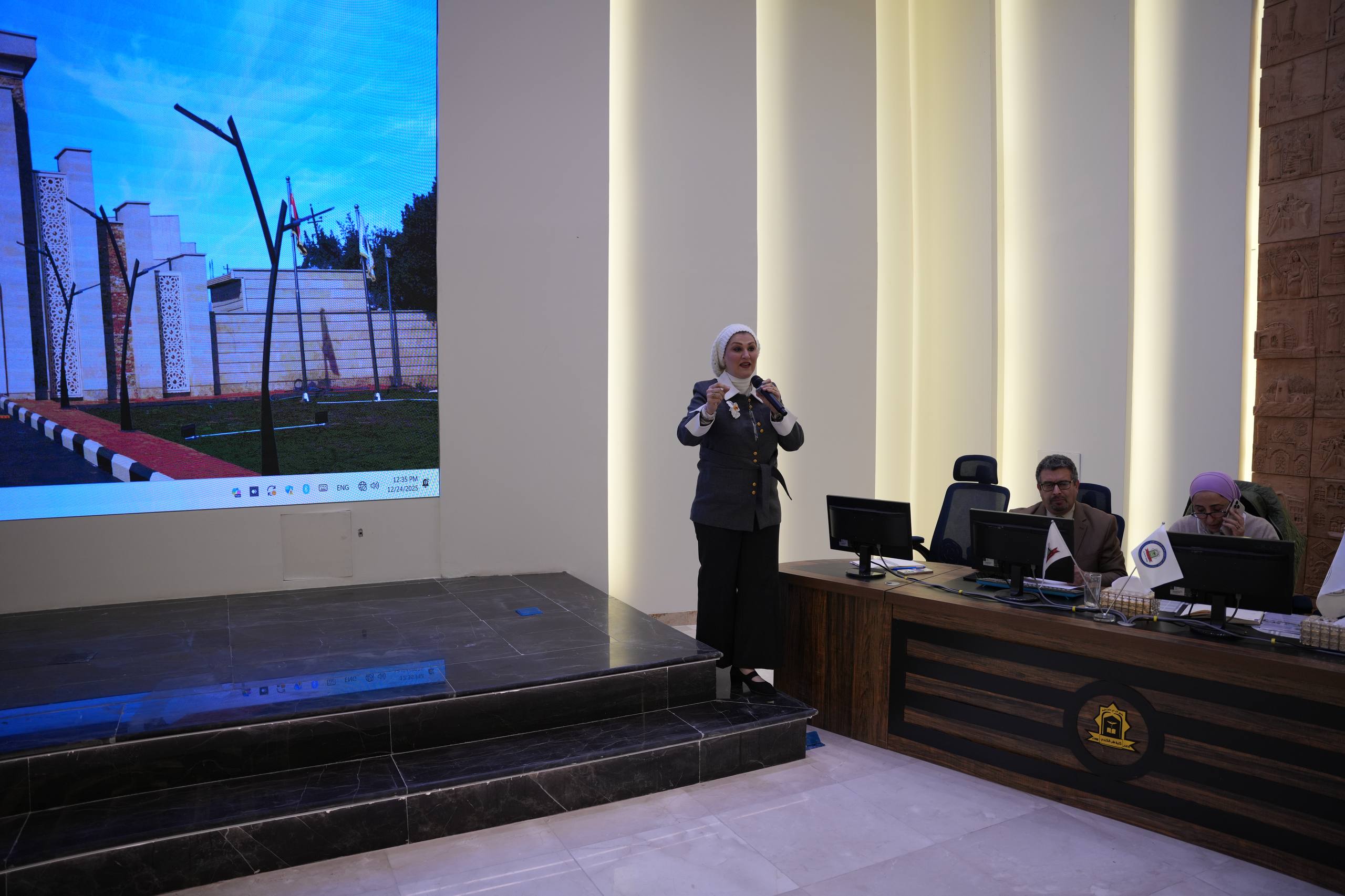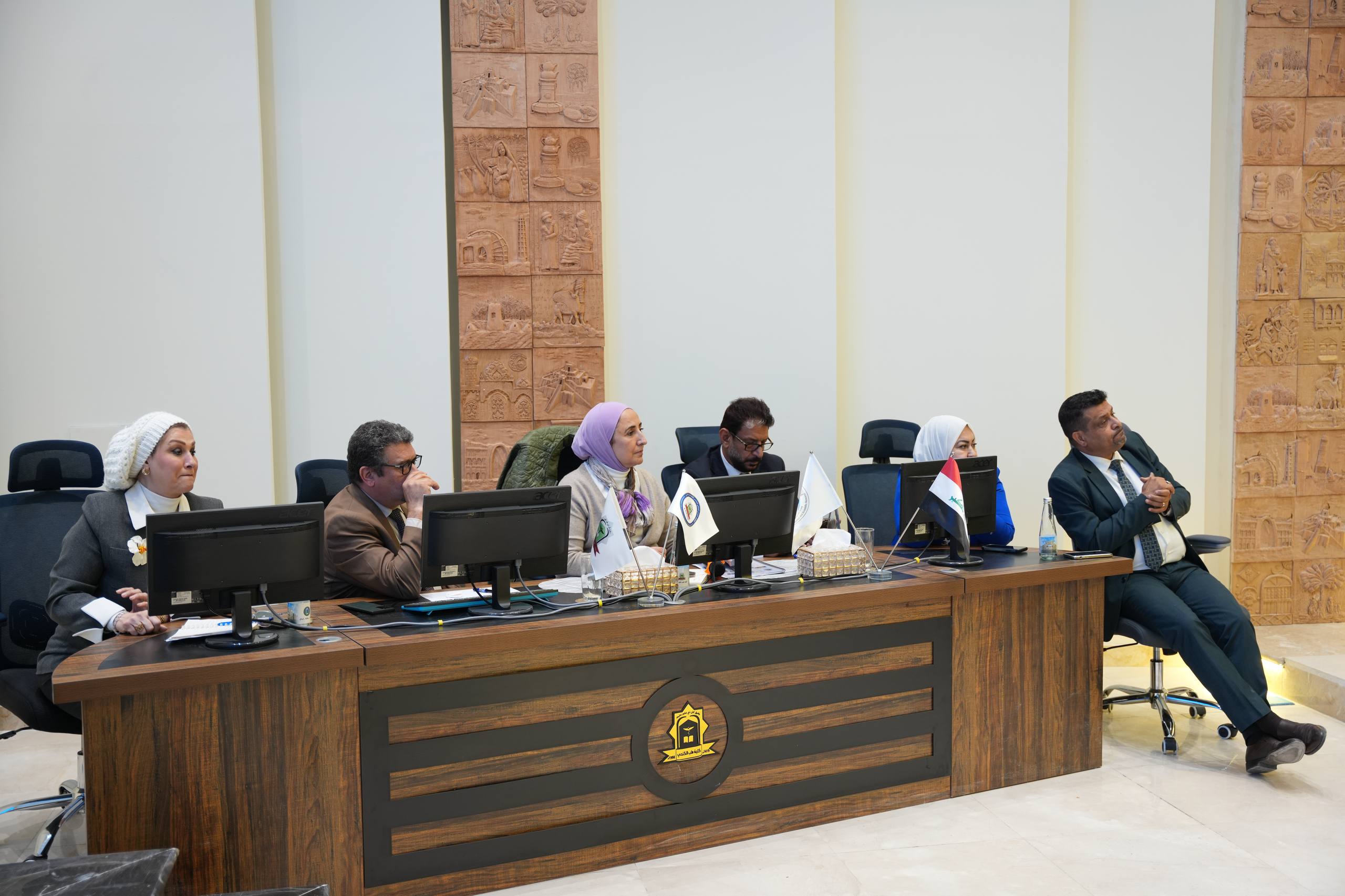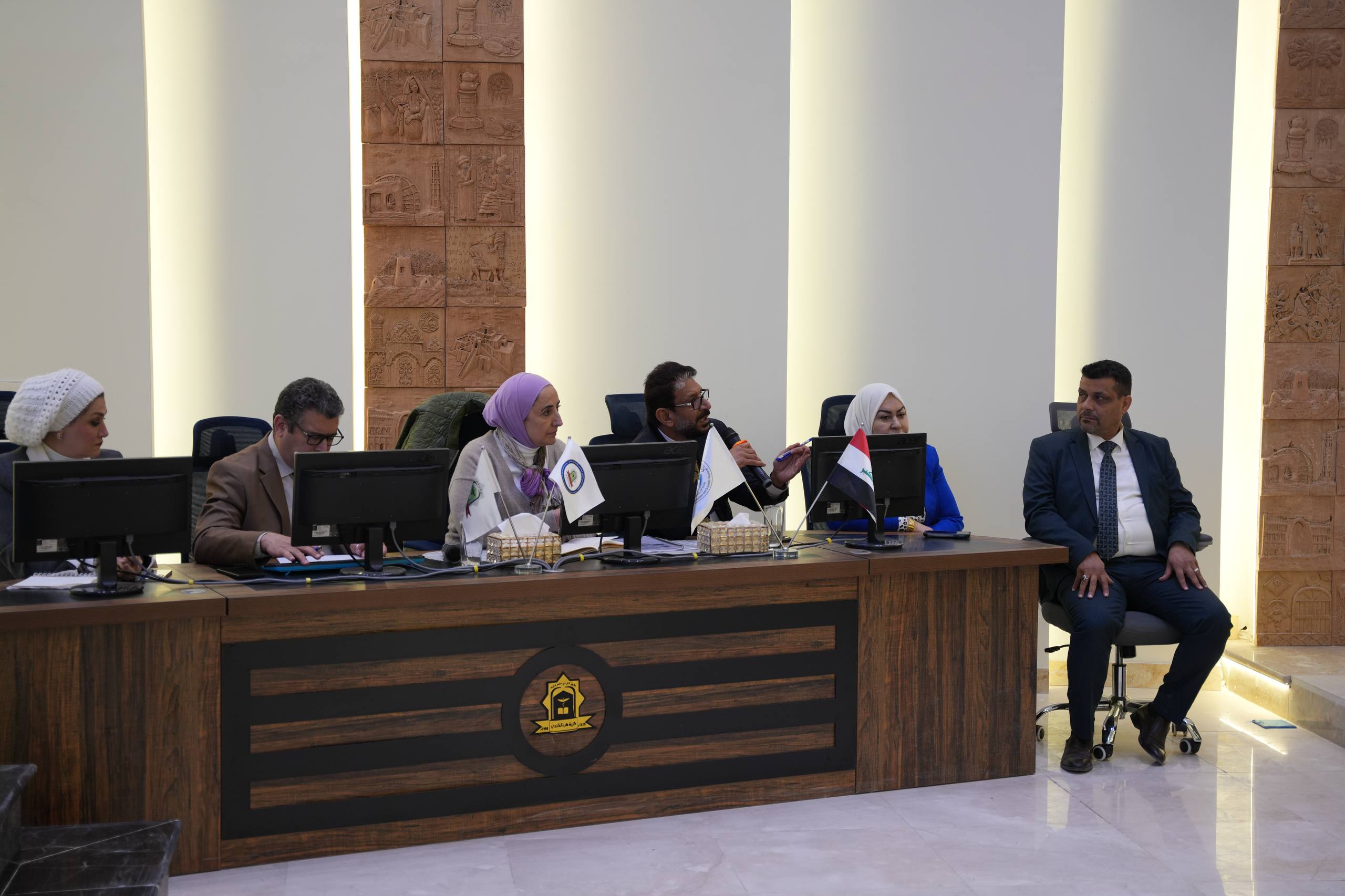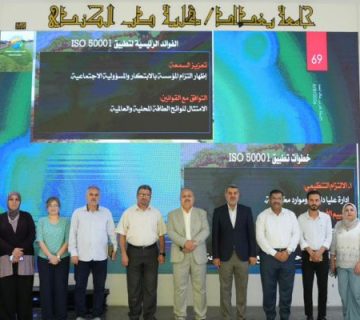
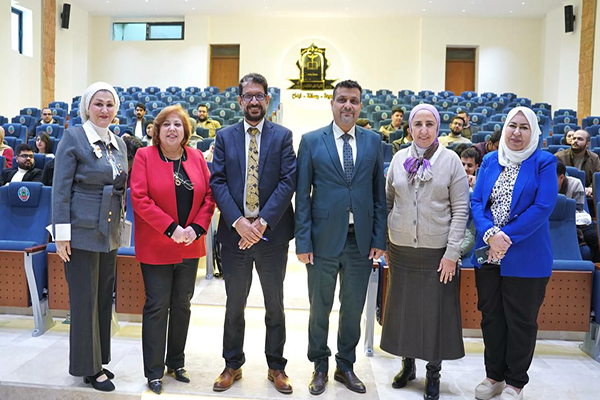
Al-Kindy College of Medicine / University of Baghdad welcomed Prof. Talib Mohammed Khenjar from the Cumming School of Medicine, University of Calgary (Canada) a Canadian-boarded Family Medicine specialist and examiner with the Medical Council of Canada for a high-impact academic visit dedicated to advancing medical-education quality and assessment. The program opened with a working meeting of the Medical Education Unit, attended by Dean Prof. Dr. Mohammed Shihab Al-Aidani, the scientific vice-dean, and unit members. Faculty presented a comprehensive briefing on the College’s recent gains in curriculum integration, enhancement of formative and summative assessments, and quality-assurance initiatives designed to position Al-Kindy among leading medical schools in the region. Prof. Khenjar responded with a structured overview of how Canadian medical schools design competency-based curricula, map outcomes across preclinical and clinical phases, and operationalize assessment blueprints especially OSCE and workplace-based assessment within robust evaluation frameworks used by the Medical Council of Canada.
The dialogue moved from concepts to application. Joint breakout discussions examined practical steps to strengthen assessment validity and reliability (station design, standard setting, examiner calibration, and inter-rater agreement), improve feedback literacy for students and clinical tutors, and embed programmatic assessment so that multiple low-stakes measures aggregate into credible high-stakes decisions. The group also explored integrating simulation-based education and entrustable professional activities (EPAs) to better align clinical teaching with day-one practice expectations, alongside options for digitizing exam logistics, proctoring, psychometrics, and post-exam reviews to accelerate continuous improvement cycles.
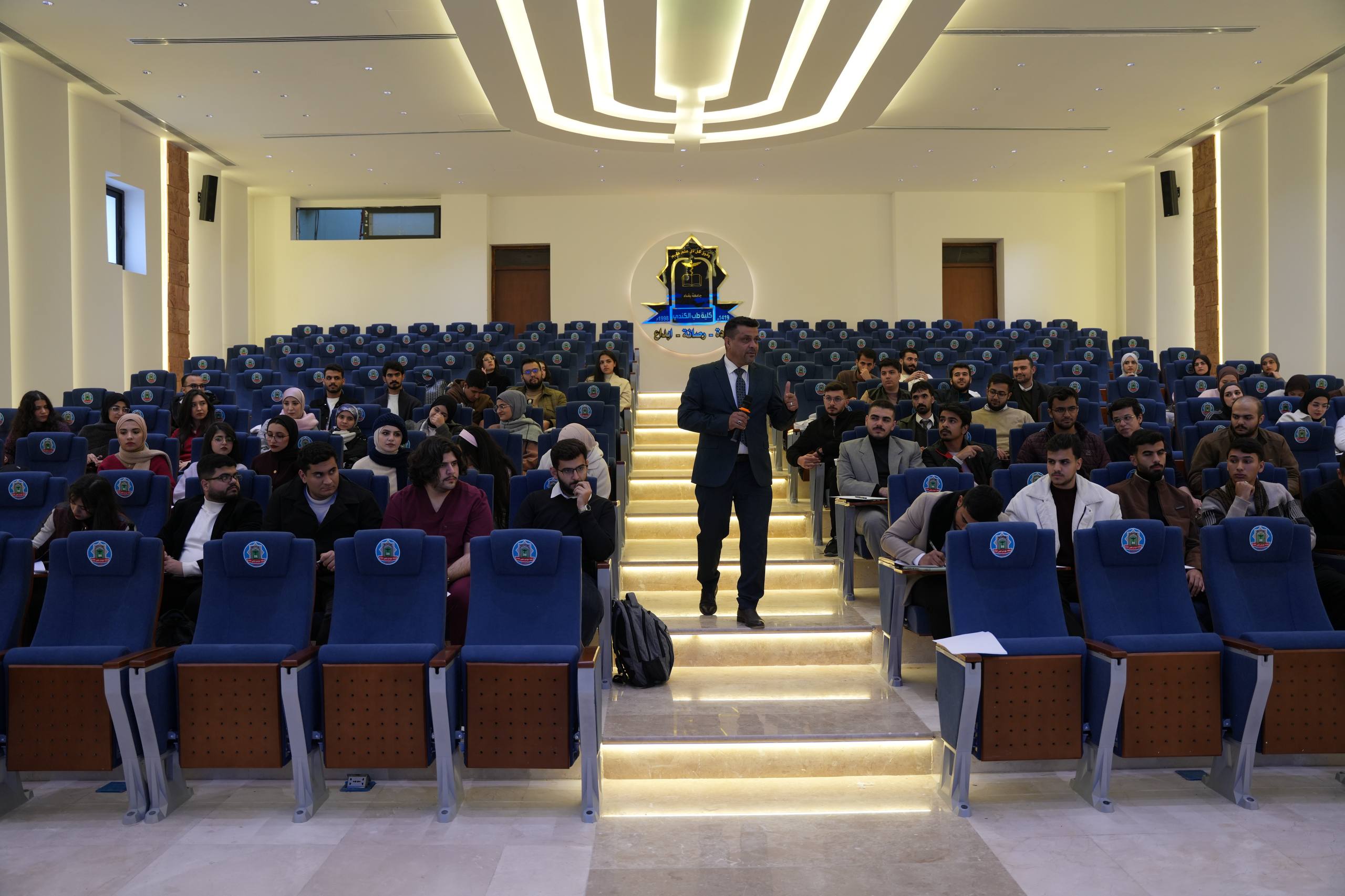
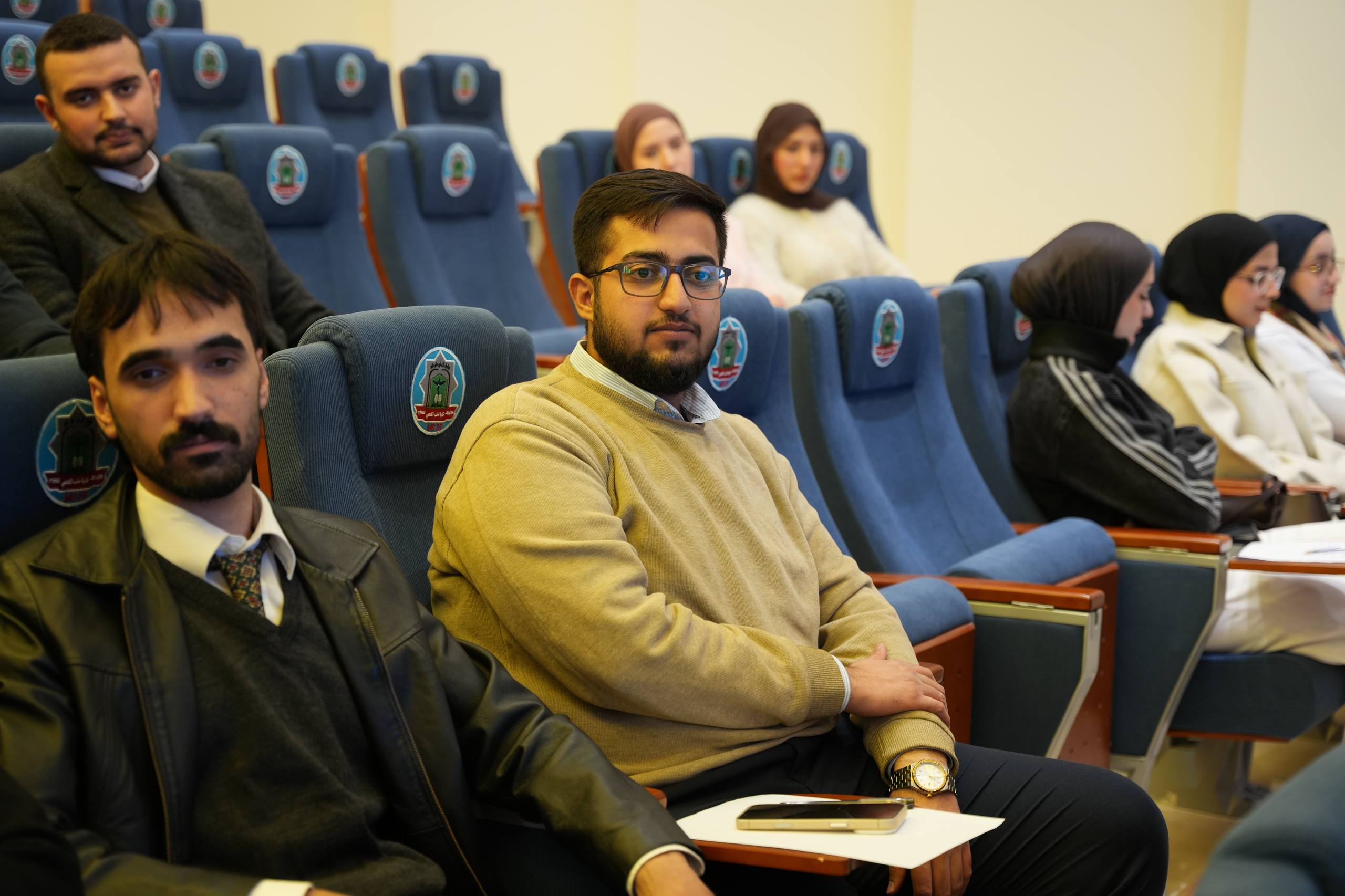
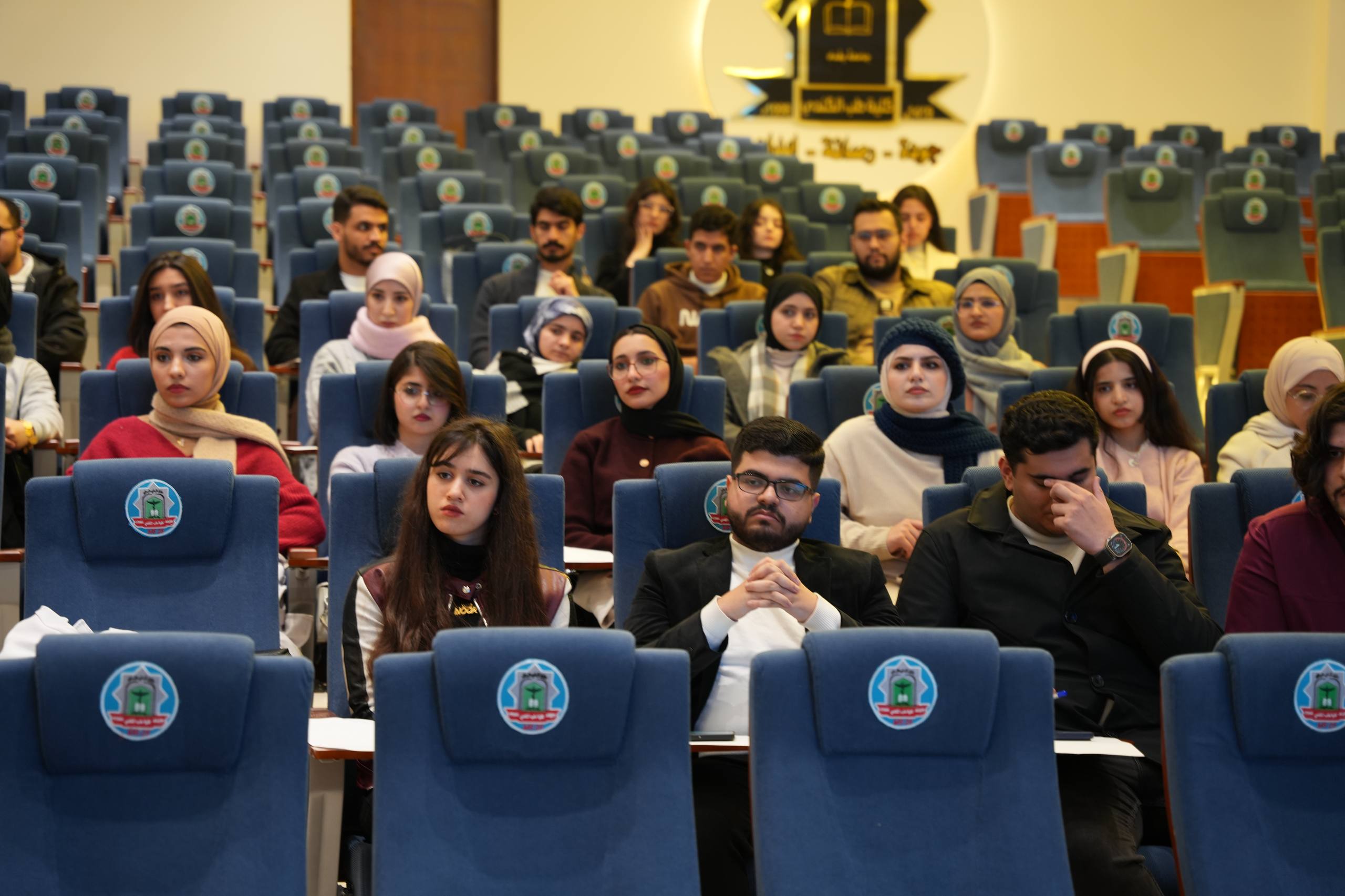
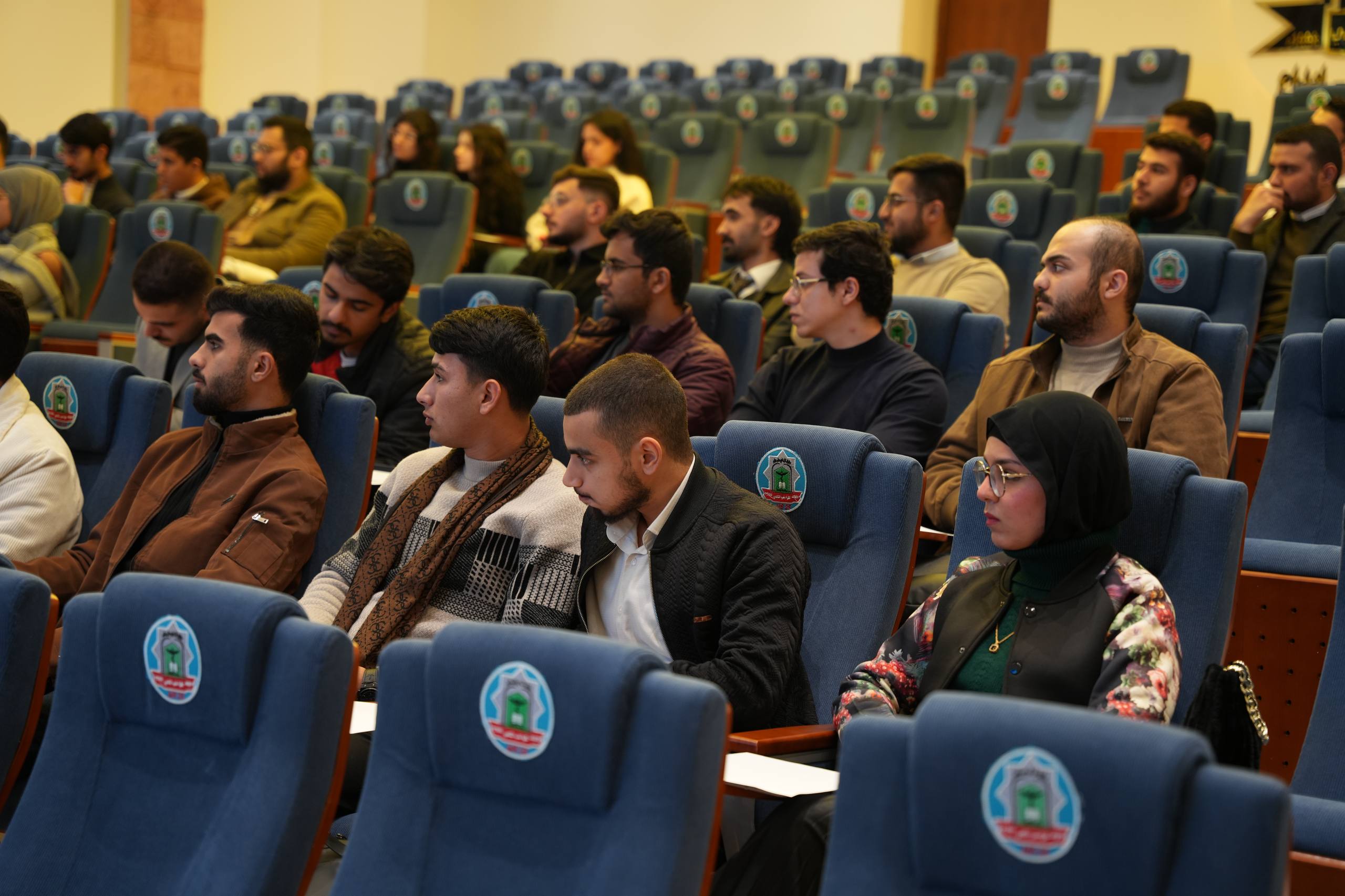
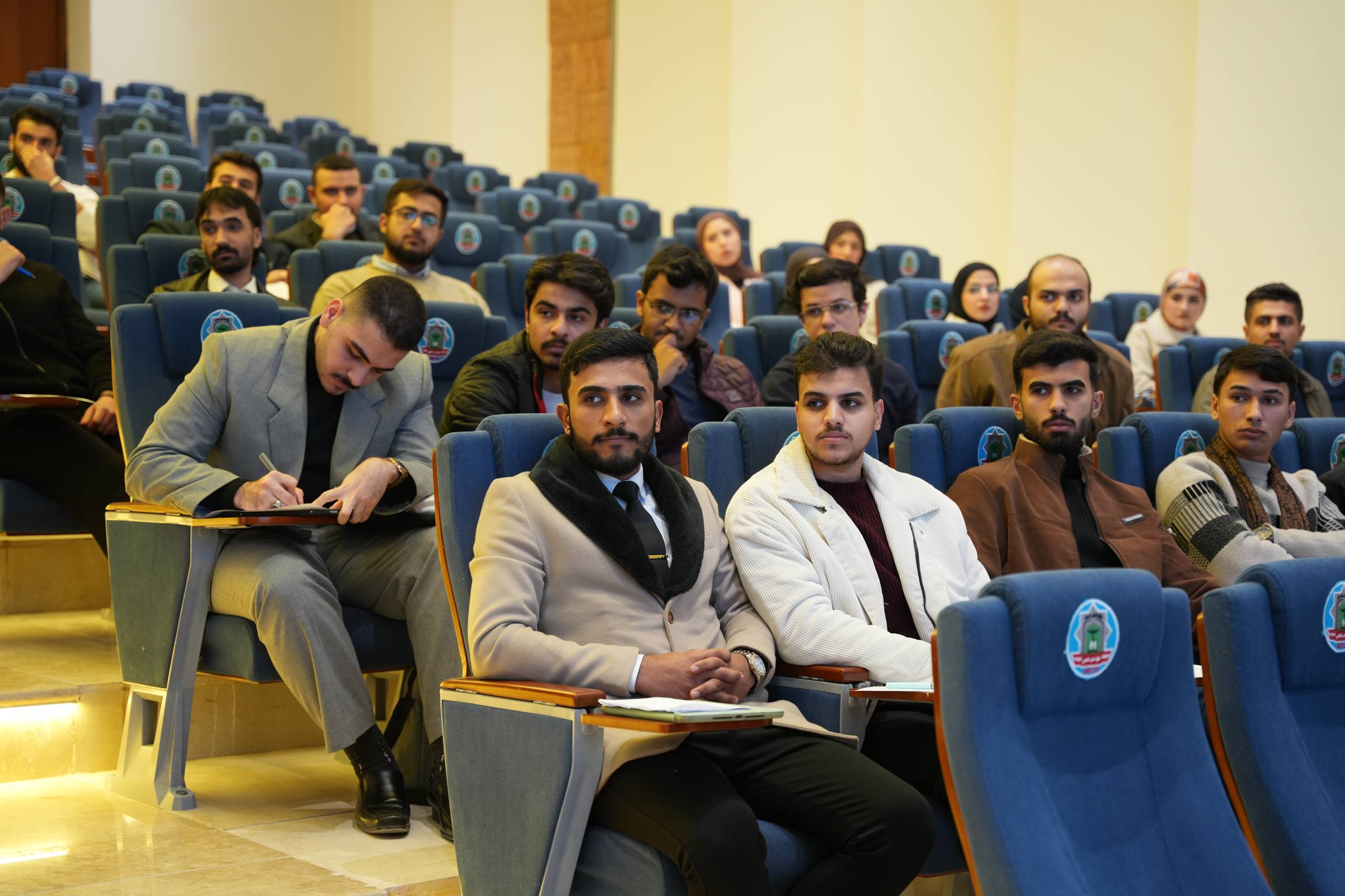
Student engagement was a central pillar of the visit. In an open forum with third-year students attended by the Dean and teaching staff participants raised questions on assessment fairness, clinical exposure, and study–life balance. Prof. Khenjar praised the event as a model of participatory academic culture that surfaces authentic learner needs and channels them into actionable reforms, noting that transparent communication and timely feedback are pivotal to motivation and performance. He remarked: “My feelings are a blend of joy, pride, and appreciation for what I witnessed today at Al-Kindy College of Medicine an esteemed institution advancing confidently since its establishment in 1998.”
The visit concluded with concrete next steps. Prof. Khenjar agreed to serve as an external examiner for the forthcoming end-of-semester clinical examinations, supporting benchmarking against international standards and strengthening objective evaluation. Both sides outlined a near-term roadmap that includes remote calibration sessions for OSCE examiners; co-developed station banks with explicit scoring rubrics and global ratings; faculty-development workshops on feedback, remediation, and supervisory skills; and exploratory avenues for scholarly collaboration in medical-education research, including joint abstracts and dissemination in peer-reviewed venues. The College will also review opportunities for tele-mentoring and short visiting rotations that extend the impact of the partnership throughout the academic year.