
In a significant step toward green transformation and the adoption of modern technologies, Al-Kindy College of Medicine at the University of Baghdad continues to expand its sustainability initiatives through the operation of a smart classroom powered by an integrated solar energy and intelligent control system.
The project is designed to reduce energy consumption, improve operational efficiency, and provide students with a modern and reliable educational environment. It also demonstrates how renewable energy and smart technologies can be effectively integrated into academic infrastructure.
The Dean of Al-Kindy College of Medicine, Professor Dr. Mohammed Shihab Al-Eidani, stated that the project forms part of the College’s broader vision to modernize its infrastructure according to contemporary academic and environmental standards.
He explained that increasing reliance on clean energy sources supports the strategic direction of the University of Baghdad and aligns with national efforts to promote sustainability, reduce carbon emissions, and improve energy efficiency across public institutions.
Professor Al-Eidani added that the College is committed to introducing intelligent technologies into its teaching spaces. These technologies create a more advanced learning environment, support the efficient use of available resources, and reinforce the College’s commitment to sustainable development.
The Head of the Information Technology Division, Programmer Noor Faris Abdul Karim, explained that the smart classroom is equipped with a solar energy system capable of supplying up to 60 amperes during daylight hours through solar panels. During evening hours, the system provides approximately 5 amperes using stored battery power.
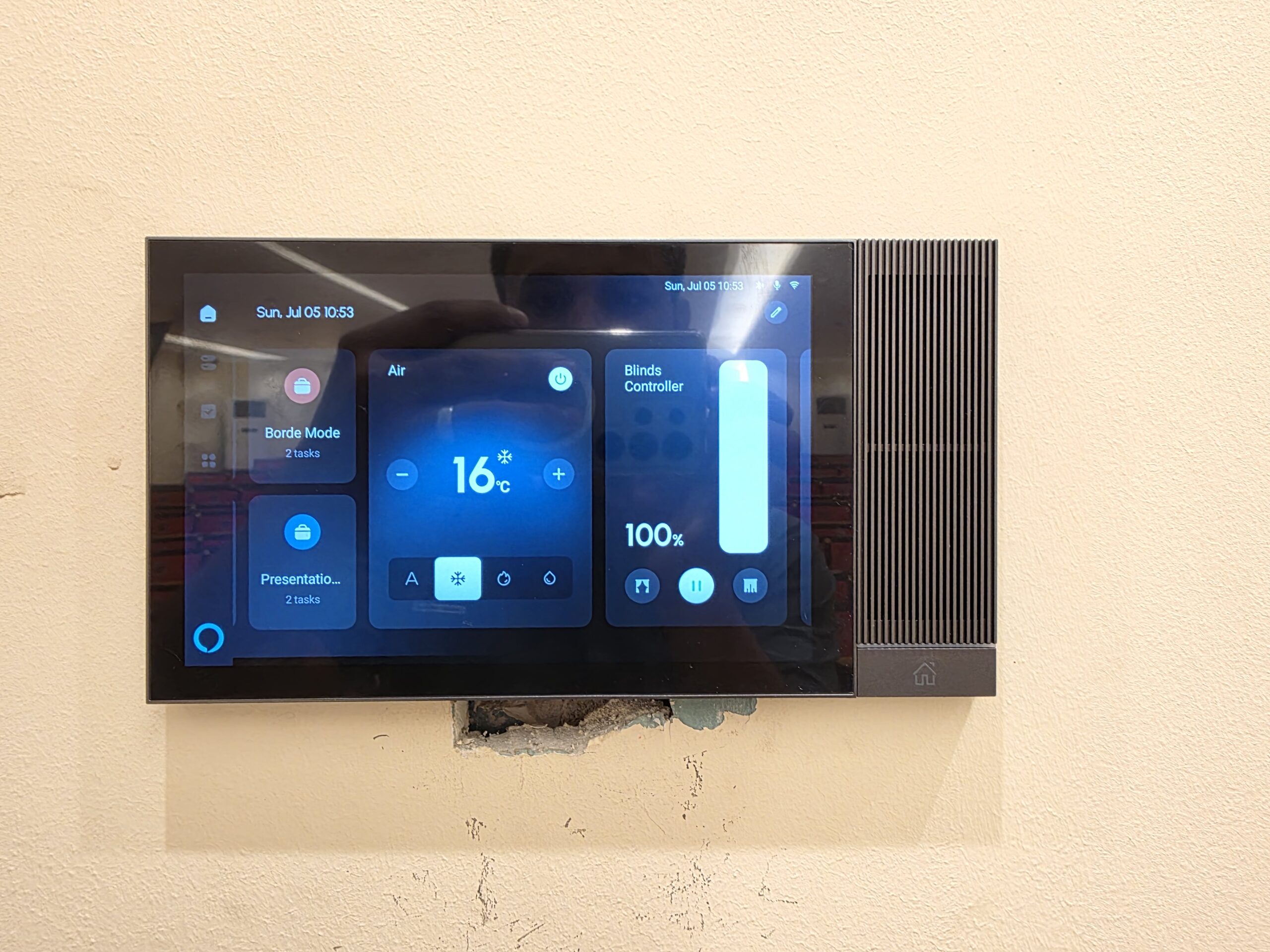
She noted that the project also included the installation of smart lighting devices and a centralized control panel. The system enables the organized operation, control, and monitoring of lighting and electrical equipment within the classroom.
These features contribute to reducing unnecessary electricity consumption, limiting dependence on the national power grid and private generators, and improving the continuity and efficiency of classroom operations.
By combining renewable energy with intelligent control technologies, the smart classroom represents a practical model for sustainable educational infrastructure. It provides a more stable and technologically advanced teaching environment while supporting the College’s efforts to improve the quality of services available to students and academic staff.
This initiative is one of several projects implemented by Al-Kindy College of Medicine to promote renewable energy, strengthen environmentally responsible practices, and develop smart learning environments.
The project reflects the College’s continuing commitment to modernizing its infrastructure, adopting innovative technical solutions, and creating a sustainable educational environment that serves students and enhances the academic process.